
- DD01
- Persona
- 1967 - presente
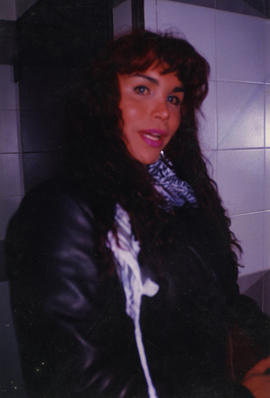
Daniela Catalina Díaz, conocida popularmente como “La Sirena de Quilmes”, nació alrededor de 1967 en Las Breñas, provincia del Chaco, y llegó a la provincia de Buenos Aires siendo bebé, cuando su madre Catalina se radicó en la ciudad de Quilmes. Fue la mayor de ocho hermanos y creció en un hogar humilde en la zona de La Colonia, donde su madre ocupó un lugar central como sostén afectivo y económico de la familia.
Desde temprana edad manifestó una identidad femenina y una identificación con elementos asociados al universo de las mujeres, como el cabello largo y la figura de las sirenas, que posteriormente daría origen a su nombre popular. Durante la escuela primaria conoció a Erika, otra niña trans con quien compartió experiencias y conversaciones vinculadas a sus identidades. A comienzos de la década de 1980, durante los corsos de Quilmes, tomó contacto con mujeres trans visibles de la zona sur del conurbano bonaerense, entre ellas Vanesa Meza, Débora, Marisa y Tatiana. Estos encuentros fueron significativos en su proceso de reconocimiento personal y en la construcción de redes con otras mujeres trans. Entre los 14 y 15 años inició tratamientos hormonales y comenzó a expresar públicamente su identidad femenina en un contexto atravesado por la persecución policial, la discriminación y las restricciones para el acceso al trabajo formal.
Durante su juventud participó en carnavales y corsos populares de Quilmes y Berazategui, especialmente junto a la comparsa Las Bacantes, espacios de encuentro comunitario y expresión artística. Como muchas mujeres trans de su generación, atravesó situaciones de hostigamiento y violencia institucional, al tiempo que desarrolló estrategias laborales y redes de apoyo para sostener su vida cotidiana.
A lo largo de su trayectoria realizó diversas actividades comerciales vinculadas a la venta de ropa, calzado y accesorios, estableciendo vínculos con otras personas trans dentro y fuera de Argentina. En la década de 1990 adquirió un terreno en Quilmes e inició la construcción de su vivienda, proyecto que continuó desarrollando durante los años siguientes.
En 2004 migró a Europa, donde residió en distintas ciudades de Italia y Suiza. Durante ese período trabajó, construyó redes con comunidades latinoamericanas, especialmente con compañeras peruanas y brasileñas, y reunió recursos para finalizar su casa en Argentina. También atravesó dificultades vinculadas a su situación migratoria y permaneció detenida en relación con la falta de documentación regular. Regresó a Quilmes entre 2006 y 2007, donde continuó su vida comunitaria y atravesó posteriormente tratamientos médicos vinculados a intervenciones corporales realizadas durante su juventud.
Luego de la sanción de la Ley de Identidad de Género en 2012, realizó la rectificación registral de su identidad. Para ello viajó a Las Breñas, recuperó su partida de nacimiento y eligió el nombre Daniela Catalina Díaz, incorporando el nombre de su madre como reconocimiento al vínculo que acompañó gran parte de su trayectoria.
Actualmente continúa viviendo en Quilmes, participando en espacios comunitarios y acompañando a nuevas generaciones de mujeres trans. Como “La Sirena de Quilmes”, su recorrido forma parte de la memoria colectiva trans de la zona sur bonaerense, integrando experiencias de trabajo, migración, vínculos afectivos y construcción comunitaria.
Daniela Catalina Díaz, popularly known as “La Sirena de Quilmes,” was born around 1967 in Las Breñas, in the province of Chaco, and moved to Buenos Aires Province as an infant when her mother, Catalina, settled in the city of Quilmes. She was the eldest of eight siblings and grew up in a working-class household in the La Colonia area, where her mother played a central role as the family’s emotional and economic support.
From an early age, she expressed a feminine identity and identified with elements associated with women, such as long hair and the figure of the mermaid, which would later give rise to her popular nickname. During primary school, she met Erika, another trans girl with whom she shared experiences and conversations related to their identities. In the early 1980s, during the Quilmes carnival celebrations, she came into contact with visible trans women from the southern districts of Greater Buenos Aires, including Vanesa Meza, Débora, Marisa, and Tatiana. These encounters were significant in her process of self-recognition and in the development of networks with other trans women. Between the ages of 14 and 15, she began hormone treatments and started expressing her feminine identity publicly in a context marked by police persecution, discrimination, and limited access to formal employment.
During her youth, she participated in carnivals and popular corsos in Quilmes and Berazategui, particularly with the Las Bacantes comparsa, which provided spaces for community gathering and artistic expression. Like many trans women of her generation, she experienced harassment and institutional violence while developing strategies for earning a living and building support networks to sustain her everyday life.
Throughout her life, she engaged in various commercial activities involving the sale of clothing, footwear, and accessories, establishing connections with other trans people both within Argentina and abroad. During the 1990s, she acquired a plot of land in Quilmes and began building her home, a project she continued to develop over the following years.
In 2004, she migrated to Europe, where she lived in several cities in Italy and Switzerland. During this period, she worked, built networks within Latin American communities, particularly with Peruvian and Brazilian compañeras, and accumulated resources to complete her home in Argentina. She also faced difficulties related to her immigration status and was detained in connection with irregular documentation. She returned to Quilmes between 2006 and 2007, where she resumed her community life and later underwent medical treatments related to body modifications performed during her youth.
Following the enactment of Argentina’s Gender Identity Law in 2012, she legally changed the gender and name recorded in her official documents. To complete the process, she traveled to Las Breñas, retrieved her birth certificate, and chose the name Daniela Catalina Díaz, incorporating her mother’s name as a tribute to the relationship that had accompanied much of her life.
She currently continues to live in Quilmes, participating in community spaces and supporting younger generations of trans women. As “La Sirena de Quilmes,” her life trajectory forms part of the collective trans memory of southern Greater Buenos Aires, encompassing experiences of work, migration, affective relationships, and community building.