- BH01
- Persona
- 1976 - presente
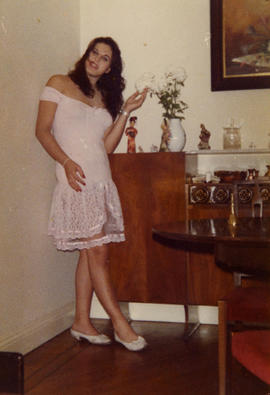
Beatriz Herrera, conocida como “Betty” o “La Betty”, nació el 16 de marzo de 1976 en la Ciudad de Buenos Aires, en el seno de una familia de origen santiagueño de clase trabajadora. Creció junto a su hermana en un hogar marcado por el trabajo y el esfuerzo familiar: su madre se desempeñó como enfermera y su padre como encargado de edificio. Cursó la educación primaria en la escuela pública y tuvo trayectorias intermitentes en la educación secundaria, atravesadas por las condiciones económicas familiares y el fallecimiento de su padre en 1996, situación que la llevó a incorporarse tempranamente al mundo laboral.
Beatriz Herrera, known as “Betty” or “La Betty,” was born on March 16, 1976, in the City of Buenos Aires, into a working-class family of Santiago del Estero origin. She grew up with her sister in a household shaped by hard work and family effort: her mother worked as a nurse and her father as a building superintendent. She attended public primary school and had an intermittent secondary education, affected by her family's economic circumstances and the death of her father in 1996, which led her to enter the workforce at an early age.
During her youth, she held various jobs in kiosks, hair salons, and food-service establishments. In the early 1990s, she began studying nursing at the Argentine Red Cross, but later discontinued her studies. During those years, she became involved in social spaces within the sexual diversity community in the City of Buenos Aires, particularly in the bar and nightclub scene, including venues such as Bunker, where she established relationships that became part of her emotional and community support network. It was within this context that she was given the name “La Betty,” which she adopted as her own.
Her gender identity was a process that she publicly consolidated in 2020, following a journey shaped by aesthetic expectations and hegemonic norms that have historically affected trans people. Her experience reflects broader transformations in the ways people within Argentina's travesti-trans community have named and recognized themselves.
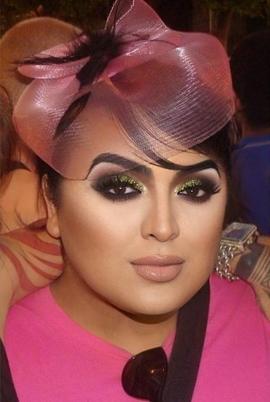
In 2006, she began working as a self-taught makeup artist, a profession she practiced for approximately two decades in television, theater, film, and photography. Her work included both commercial productions and collaborations with other trans people, creating a space for learning, professional development, and collective growth.
She became involved with ATTTA (Association of Travestis, Transsexuals and Transgenders of Argentina) in 2010, marking the beginning of her activism in the fields of human rights and sexual diversity. Through these connections, in 2017 she obtained her first formal job at Línea 144, then operating under the National Institute for Women, where she provided assistance and support to women experiencing violence. During this period, she resumed and completed her secondary education, in a context marked by the death of her mother in 2019.
Later, in 2023, she joined Fundación Huésped as a health promoter for the “TRANSformá tu Salud” project, aimed at the trans population. In 2024, she began working at the Trans Memory Archive, an organization dedicated to preserving the histories and experiences of the travesti-trans community in Argentina.
Throughout her life trajectory, she experienced discrimination, institutional violence, and arbitrary detention, within the framework of state policies and social practices that historically criminalized travesti and trans identities. These conditions coexisted with the development of networks of care, affection, and collective organizing that proved fundamental to her journey.
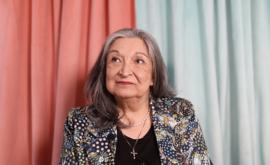
Today, she continues to participate in community spaces and organizations connected to sexual diversity, bringing together her professional, activist, and community experience in the promotion of rights and the strengthening of collective travesti-trans memory.
Durante su juventud transitó diversos empleos en kioscos, peluquerías y espacios gastronómicos. A comienzos de la década de 1990 inició estudios de enfermería en la Cruz Roja, que luego abandonó. En esos años comenzó a vincularse con espacios de sociabilidad de la diversidad sexual en la Ciudad de Buenos Aires, particularmente en el circuito de bares y discotecas como Bunker, donde estableció lazos que configuraron su red afectiva y comunitaria. En ese contexto recibió el nombre “La Betty”, que adoptó como propio.
Su identidad de género fue un proceso que consolidó públicamente en 2020, luego de un recorrido atravesado por los mandatos estéticos y las normas hegemónicas que históricamente condicionaron a las personas trans. Su experiencia da cuenta de las transformaciones en las formas de nombrarse y reconocerse dentro de la comunidad travesti-trans en Argentina.
En 2006 comenzó a desarrollarse como maquilladora de manera autodidacta, oficio que ejerció durante aproximadamente dos décadas en ámbitos de televisión, teatro, cine y fotografía. Su trabajo incluyó tanto producciones comerciales como colaboraciones con otras personas trans, constituyendo un espacio de formación y crecimiento colectivo.
Su participación en la organización ATTTA (Asociación de Travestis, Transexuales y Transgéneros de Argentina) se inició en 2010, marcando el comienzo de su militancia en el campo de los derechos humanos y la diversidad sexual. A partir de estos vínculos accedió en 2017 a su primer empleo formal en la Línea 144 del entonces Instituto Nacional de las Mujeres, donde se desempeñó en tareas de atención y asistencia a mujeres en situación de violencia. En ese período retomó y finalizó sus estudios secundarios, en un contexto atravesado por el fallecimiento de su madre en 2019.
Posteriormente, en 2023, se incorporó a Fundación Huésped como promotora de salud en el proyecto “TRANSformá tu Salud”, orientado a la población trans. En 2024 comenzó a trabajar en el Archivo de la Memoria Trans, espacio vinculado a la preservación de las historias y experiencias del colectivo travesti-trans en Argentina.
A lo largo de su trayectoria, su vida estuvo atravesada por experiencias de discriminación, violencia institucional y detenciones arbitrarias, en el marco de políticas estatales y prácticas sociales que históricamente criminalizaron las identidades travestis y trans. Estas condiciones coexistieron con la construcción de redes de cuidado, afecto y organización colectiva que resultaron fundamentales en su recorrido.
En la actualidad, continúa participando en espacios comunitarios y organizaciones vinculadas a la diversidad sexual, articulando su experiencia laboral, militante y comunitaria en la promoción de derechos y el fortalecimiento de la memoria colectiva travesti-trans.