
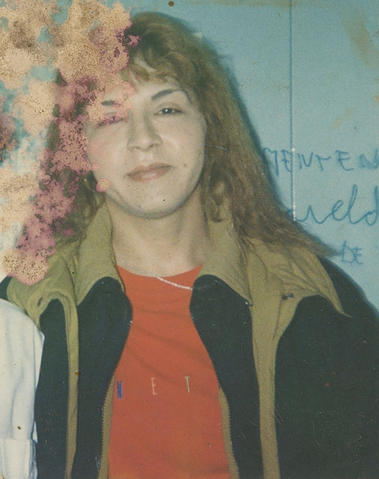
Zone d'identification
Type d'entité
Personne
Forme autorisée du nom
Alessandra Bavino
forme(s) parallèle(s) du nom
Forme(s) du nom normalisée(s) selon d'autres conventions
Autre(s) forme(s) du nom
Numéro d'immatriculation des collectivités
Zone de description
Dates d’existence
1966 - presente
Historique
Alessandra Bavino nació el 12 de octubre de 1966 en el Hospital Argerich de la Ciudad de Buenos Aires. Creció entre Villa Tranquila y Dock Sud, en el partido de Avellaneda, dentro de una familia numerosa, criada principalmente por su madre, su abuela Porota y dos tíxs. Entre las personas más significativas de su trayectoria se encuentra su hermano trans, Lucito, asesinado mientras defendía a una compañera de la comunidad, cuyo recuerdo permanece ligado a su compromiso con la defensa de los derechos de las personas travestis y trans.
Desde la infancia manifestó una identidad y expresión de género femenina. Encontró en el dibujo, las manualidades, la actuación y otras actividades artísticas espacios de expresión y desarrollo personal. Durante su escolaridad atravesó situaciones de discriminación y hostigamiento vinculadas a su identidad de género. En ese período, un psicólogo al que fue derivada por recomendación de docentes señaló a su madre que no existía ninguna condición que debiera corregirse y recomendó respetar su identidad.
Durante la adolescencia trabajó para contribuir al sostenimiento económico de su familia mientras cursaba la escuela secundaria. Entre los 13 y los 15 años comenzó a vincularse con otras jóvenes travestis y trans en los alrededores de las estaciones de Constitución y Lanús, donde consolidó su identidad y comenzó a utilizar el nombre Alejandra. En ese mismo contexto sufrió sus primeras detenciones policiales bajo los edictos que criminalizaban la expresión de género de las personas travestis y trans. A lo largo de su juventud fue detenida en reiteradas oportunidades y atravesó situaciones de violencia institucional y condiciones precarias de detención. Paralelamente, construyó redes de apoyo dentro de la comunidad travesti y mantuvo un vínculo cercano con su familia de origen, que constituyó un importante sostén afectivo.
Realizó estudios de enfermería auxiliar en la Cruz Roja en 1993, formación que orientó posteriormente su participación en iniciativas vinculadas al acceso de las personas trans a la salud integral. Integró la Cooperativa Nadia Echazú, impulsada por Lohana Berkins, y actualmente forma parte de la Cooperativa Arte Trans, de la que es socia fundadora. Asimismo, conduce un programa dedicado al arte y la diversidad en la radio pública de Avellaneda.
La sanción de la Ley de Identidad de Género en 2012 representó un punto de inflexión para su generación, tras décadas de persecución, criminalización y exclusión. Desde entonces continúa participando en acciones orientadas a la ampliación de derechos, la promoción de una reparación integral para las personas travestis y trans mayores y la preservación de la memoria colectiva mediante proyectos culturales y archivísticos.
Alessandra Bavino
Alessandra Bavino was born on October 12, 1966, at Argerich Hospital in the City of Buenos Aires. She grew up between Villa Tranquila and Dock Sud, in the district of Avellaneda, as part of a large family and was raised primarily by her mother, her grandmother Porota, and two aunts and uncles. Among the people who have been most significant throughout her life is her trans brother, Lucito, who was murdered while defending a fellow member of the community. His memory remains closely connected to Alessandra's commitment to defending the rights of travesti and trans people.
From childhood, she expressed a feminine gender identity and expression. She found in drawing, handicrafts, acting, and other artistic activities spaces for self-expression and personal development. During her years at school, she experienced discrimination and harassment related to her gender identity. During that period, a psychologist to whom she was referred at the recommendation of her teachers told her mother that there was no condition that needed to be corrected and recommended that her identity be respected.
During adolescence, she worked to contribute to her family's financial support while attending secondary school. Between the ages of 13 and 15, she began forming relationships with other young travesti and trans women in the areas surrounding Constitución and Lanús railway stations, where she consolidated her identity and began using the name Alejandra. In that same context, she experienced her first police arrests under the edicts that criminalized the gender expression of travesti and trans people. Throughout her youth, she was arrested on numerous occasions and experienced institutional violence and precarious conditions of detention. At the same time, she built support networks within the travesti community and maintained a close relationship with her family of origin, which provided important emotional support.
In 1993, she completed auxiliary nursing training at the Argentine Red Cross. This education later shaped her involvement in initiatives aimed at promoting trans people's access to comprehensive healthcare. She was a member of the Nadia Echazú Cooperative, founded at the initiative of Lohana Berkins, and is currently a founding member of the Arte Trans Cooperative. She also hosts a program dedicated to art and diversity on Avellaneda's public radio station.
The enactment of the Gender Identity Law in 2012 represented a turning point for her generation, following decades of persecution, criminalization, and exclusion. Since then, she has continued to participate in initiatives aimed at expanding rights, promoting comprehensive reparations for older travesti and trans people, and preserving collective memory through cultural and archival projects.
Lieux
Villa Tranquila
Dock Sud
Statut légal
Fonctions et activités
Textes de référence
Organisation interne/Généalogie
Contexte général
Zone des relations
Zone des points d'accès
Mots-clés - Sujets
Mots-clés - Lieux
Occupations
Zone du contrôle
Identifiant de notice d'autorité
Entretenu par
Identifiant du service d'archives
AR-AMT
Règles et/ou conventions utilisées
Statut
Final
Niveau de détail
Complet
Dates de production, de révision et de suppression
01/07/2026
03/09/2026
Langue(s)
- espagnol latino-américain
- anglais
Écriture(s)
Sources
Notes de maintenance
CN
BH
Document numérique - métadonnées
Accès
Nom du fichier
Bavino.jpg
Latitude
Longitude
Type de support
Image
Type MIME
image/jpeg