Showing 78 results

Geauthoriseerde beschrijving
Archivo De La Memoria Trans

Cinthia Mabel Sale Igarzábal

  • CS02
  • Persoon
  • 1967 - presente

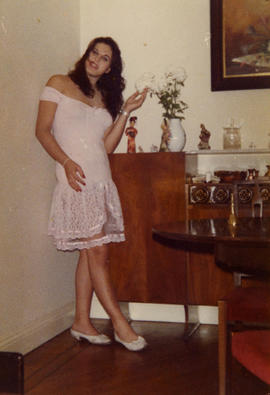
Cinthia nació el 21 de diciembre de 1967 en la ciudad de Catriel, provincia de Río Negro, Argentina. Su trayectoria vital se inscribe en los procesos históricos que atravesaron las personas travestis y trans en el país durante las décadas de 1980 y 1990, en un contexto de fuerte exclusión social, criminalización y ausencia de políticas públicas de acceso a derechos básicos.
Durante su adolescencia tardía y juventud comenzó a construir su identidad de género en un escenario marcado por la falta de acceso a información y a sistemas de salud adecuados. Entre los 19 y los 22 años se sometió a múltiples intervenciones con silicona industrial líquida, realizadas en condiciones precarias y sin supervisión médica. Estas prácticas, extendidas en la época ante la inexistencia de alternativas seguras, le generaron complicaciones de salud a largo plazo, incluyendo infecciones, endurecimientos y afecciones sistémicas. Estas experiencias se incorporan posteriormente a su recorrido militante, desde donde aborda la problemática del acceso a la salud para personas trans.
En su juventud y adultez temprana atravesó relaciones afectivas en contextos de desigualdad y violencia de género. Una de ellas, con un integrante de la Policía Bonaerense, se desarrolló en un clima de control, hostigamiento y agresiones físicas, en un período previo a la existencia de dispositivos institucionales de protección. La relación finalizó tras episodios de violencia que la llevaron a desplazarse de su lugar de residencia por motivos de seguridad. Posteriormente, la muerte de su expareja en un procedimiento policial incidió en su trayectoria personal.
En paralelo, desarrolló estrategias de subsistencia vinculadas al trabajo sexual en la vía pública, en un contexto de persecución policial, detenciones arbitrarias y prácticas de extorsión. Estas experiencias favorecieron su acercamiento a espacios de organización colectiva. Se integró a la Asociación de Mujeres Meretrices de Argentina (AMMAR), donde participó en acciones de promoción de la salud, formación y acompañamiento comunitario. Asimismo, articuló su militancia con la Central de Trabajadores de la Argentina (CTA), incorporando una perspectiva de derechos laborales.
A lo largo de su recorrido participó en talleres de formación y proyectos de economía social, así como en iniciativas territoriales vinculadas a políticas públicas locales. Con el tiempo, se consolidó como promotora de salud comunitaria, rol que desempeña en la actualidad en el municipio de Avellaneda, donde trabaja en tareas de prevención, acompañamiento y acceso a derechos.
Su trayectoria se encuentra atravesada por la construcción de redes comunitarias y de memoria colectiva, en diálogo con otras activistas travestis y trans. En ese marco, ha participado en espacios de reflexión y debate sobre salud, derechos y reparación histórica. En el presente, continúa desarrollando actividades vinculadas a la promoción de la salud y la militancia comunitaria, aportando desde su experiencia a los procesos de organización y memoria del colectivo travesti-trans en Argentina.

Cinthia

Cinthia was born on December 21, 1967, in the city of Catriel, in the province of Río Negro, Argentina. Her life trajectory is situated within the historical processes experienced by travesti and trans people in Argentina during the 1980s and 1990s, a period marked by severe social exclusion, criminalization, and the absence of public policies guaranteeing access to basic rights.

During her late adolescence and early adulthood, she began to develop and affirm her gender identity in a context characterized by limited access to information and inadequate healthcare services. Between the ages of 19 and 22, she underwent multiple procedures involving industrial liquid silicone, performed in precarious conditions and without medical supervision. These practices, which were widespread at the time due to the lack of safe alternatives, caused long-term health complications, including infections, hardening of the tissues, and systemic conditions. These experiences later became part of her activism, through which she addressed issues surrounding access to healthcare for trans people.

During her youth and early adulthood, she experienced intimate relationships in contexts of inequality and gender-based violence. One of these relationships, with a member of the Buenos Aires Provincial Police, took place in an atmosphere of control, harassment, and physical abuse, at a time when institutional protection mechanisms did not yet exist. The relationship ended following episodes of violence that forced her to leave her place of residence for her own safety. Later, the death of her former partner during a police operation had an impact on her personal trajectory.

At the same time, she developed survival strategies through street-based sex work in a context of police persecution, arbitrary arrests, and extortion. These experiences brought her closer to spaces of collective organization. She joined the Association of Sex Workers of Argentina (AMMAR), where she participated in health-promotion initiatives, training programs, and community support. She also connected her activism with the Central de Trabajadores de la Argentina (CTA), incorporating a labor-rights perspective into her work.

Throughout her trajectory, she participated in training workshops and social-economy projects, as well as territorial initiatives related to local public policies. Over time, she became established as a community health promoter, a role she continues to carry out today in the municipality of Avellaneda, where she works on prevention, support, and access to rights.

Her life trajectory has been shaped by the construction of community networks and collective memory, in dialogue with other travesti and trans activists. Within this framework, she has participated in spaces for reflection and discussion on healthcare, rights, and historical reparation. Today, she continues to engage in activities related to health promotion and community activism, contributing through her experience to processes of organization and memory within the travesti-trans community in Argentina.
Kouka García

  • KG01
  • Persoon
  • 29/05/1954 - Actualidad

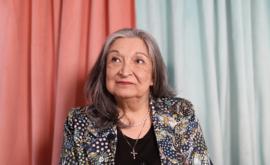
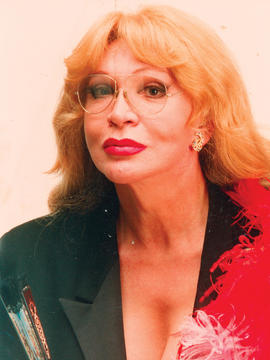
La Kouka García nació en Esperanza, provincia de Santa Fe, el 29 de mayo de 1954. Durante la década de 1980 se exilió en París, Francia, ciudad en la que continúa viviendo. Su llegada a Francia estuvo vinculada al trabajo sexual, actividad que constituyó inicialmente un medio de subsistencia en el contexto de su experiencia migratoria.

Con el transcurso de los años, comenzó a desarrollar una trayectoria de militancia vinculada a los derechos de las personas trans migrantes argentinas. Su recorrido articula las experiencias de migración, trabajo sexual y organización comunitaria, incorporando también acciones orientadas a la prevención y promoción de la salud.

Es fundadora y coordinadora de Pari-T, una organización dedicada a la prevención del VIH y de las infecciones de transmisión sexual entre la población de trabajadoras sexuales de los bosques de París. Desde este espacio también participa en iniciativas destinadas a ampliar las oportunidades laborales de las mujeres trans mediante instancias de capacitación para el acceso a otros trabajos.

Su trayectoria reúne experiencias de exilio, migración, trabajo y organización colectiva, y da cuenta de las redes construidas por mujeres trans argentinas en el exterior. A través de su participación en Pari-T, continúa desarrollando acciones vinculadas con la prevención de la salud, la capacitación laboral y la defensa de los derechos de las personas trans migrantes.

La Kouka García was born in Esperanza, Santa Fe Province, on May 29, 1954. During the 1980s, she went into exile in Paris, France, where she continues to live. Her arrival in France was connected to sex work, which initially became a means of livelihood within the context of her migration experience.

Over the years, she became involved in activism focused on the rights of Argentine transgender migrants. Her trajectory brings together experiences of migration, sex work, and community organizing, while also encompassing initiatives aimed at health prevention and promotion.

She is the founder and coordinator of Pari-T, an organization dedicated to HIV and sexually transmitted infection prevention among sex workers in the woods around Paris. Through this organization, she also participates in initiatives aimed at expanding employment opportunities for transgender women by providing training that can facilitate access to other forms of work.

Her life and activism encompass experiences of exile, migration, work, and collective organizing, reflecting the networks built by Argentine transgender women living abroad. Through her ongoing work with Pari-T, she continues to contribute to health prevention, vocational training, and the defense of the rights of transgender migrants.

Mariel Fernanda Valenzuela

  • MV01
  • Persoon
  • 1972 - presente

Mariel Fernanda Valenzuela nació el 23 de marzo de 1972 en Avellaneda, provincia de Buenos Aires, en el seno de una familia de origen correntino integrada por sus padres y tres hermanos. Desde su infancia manifestó una identificación temprana con el universo femenino y, a los nueve años, comenzó a vincularse con mujeres trans de su entorno barrial. A los diez años conoció a Charly, a quien reconoce como una figura central en su trayectoria y como su “madre trans”. Con el acompañamiento de su familia, especialmente de su madre Benita, inició su proceso de afirmación de género y comenzó a hormonizarse tempranamente.

Su infancia y adolescencia transcurrieron en un contexto de fuerte persecución hacia las personas travestis y trans, atravesado por detenciones policiales, razzias en espacios públicos y situaciones reiteradas de discriminación. En ese contexto, los carnavales, corsos y espacios de sociabilidad nocturna se constituyeron en ámbitos de pertenencia y expresión. Participó en comparsas del sur del Gran Buenos Aires, donde desarrolló habilidades para la confección artesanal de vestuario, tocados y espaldares, construyendo sus propias presentaciones. Estas experiencias artísticas constituyeron espacios sostenidos de afirmación identitaria y sociabilidad comunitaria.

A los 18 años interrumpió sus estudios secundarios, que cursaba en horario nocturno, para incorporarse al mercado laboral. Ingresó a un frigorífico, donde desarrolló una trayectoria de más de tres décadas, en un ámbito laboral poco frecuente para las mujeres trans de su generación. Durante esos años atravesó situaciones de hostilidad y prejuicio, al tiempo que construyó vínculos laborales que le permitieron sostener su empleo. Tras 33 años de trabajo en condiciones insalubres, accedió a la jubilación.

Paralelamente, participó en movilizaciones y acciones colectivas vinculadas al reconocimiento de los derechos de las personas travestis y trans, en un período de creciente organización del colectivo. Luego de la sanción de la Ley de Identidad de Género en 2012, realizó su cambio registral con el acompañamiento de su ámbito laboral.

A lo largo de su vida construyó vínculos afectivos y redes de sociabilidad dentro de la comunidad trans. La relación con su madre Benita, a quien acompañó especialmente durante su vejez y enfermedad, ocupó un lugar central en su trayectoria.

Luego de su jubilación inició una nueva etapa de participación comunitaria. Se integró a espacios colectivos como Kumas y el Archivo de la Memoria Trans, donde aporta su testimonio a la preservación de las memorias travestis y trans. También retomó su formación en el Bachillerato Popular Mocha Celis. Actualmente reside en la provincia de Buenos Aires y continúa participando en actividades comunitarias, culturales y de memoria, mientras desarrolla actividades personales vinculadas a la crianza de animales y la vida cotidiana.

Mariel Fernanda Valenzuela was born on March 23, 1972, in Avellaneda, Buenos Aires Province, into a family of Corrientes origin consisting of her parents and three siblings. From childhood, she expressed an early identification with femininity, and at the age of nine, she began forming relationships with trans women from her neighborhood. At ten, she met Charly, whom she considers a central figure in her life and her “trans mother.” With the support of her family, particularly her mother, Benita, she began her gender affirmation process and started hormone therapy at an early age.

Her childhood and adolescence unfolded in a context of intense persecution of travesti and trans people, marked by police detentions, raids in public spaces, and repeated experiences of discrimination. Within this context, carnivals, street corsos, and nightlife spaces became places of belonging and self-expression. She participated in comparsas in the southern Greater Buenos Aires area, where she developed skills in the handmade creation of costumes, headdresses, and backpieces, crafting her own performances. These artistic experiences became sustained spaces for gender affirmation and community connection.

At the age of 18, she left secondary school, which she had been attending at night, to enter the workforce. She began working at a meatpacking plant, where she built a career spanning more than three decades, in a workplace that was uncommon for trans women of her generation. During those years, she experienced hostility and prejudice while also developing workplace relationships that enabled her to remain employed. After 33 years of work under hazardous conditions, she retired.

Alongside her employment, she participated in demonstrations and collective actions advocating for the recognition of the rights of travesti and trans people, during a period of growing community organizing. Following the passage of the Gender Identity Law in 2012, she legally changed her gender marker with the support of her workplace.

Throughout her life, she built close relationships and social networks within the trans community. Her relationship with her mother, Benita, whom she especially supported during her later years and illness, held a central place in her life story.

Following her retirement, she began a new period of community involvement. She joined collective spaces such as Kumas and the Archivo de la Memoria Trans, where she contributes her testimony to the preservation of travesti and trans memories. She also resumed her education at the Bachillerato Popular Mocha Celis. She currently lives in Buenos Aires Province and continues to participate in community, cultural, and memory-related activities, while pursuing personal interests connected to caring for animals and everyday life.

Merlina Victoria Groba

  • MVG01
  • Persoon
  • 1962 - Actualidad

Merlina nació el 9 de octubre de 1962 en la Ciudad de Buenos Aires, en el barrio de Parque Avellaneda, en el Hospital Álvarez. Creció junto a su madre, su padre, un hermano, sus dos abuelos paternos y su tía Sara. Su madre era ama de casa y su padre se desempeñó como colectivero, fletero y fabricante de salamandras. Desde los 11 años se consideraba una nena y disfrutaba disfrazarse con ropa femenina.

En marzo de 1976 comenzó sus estudios en el Colegio Industrial N.º 17 “Cornelio Saavedra”, que abandonó en tercer año. A partir del consejo de una profesora de Lengua, desarrolló el hábito de la lectura y comenzó a acercarse a la literatura, una práctica que mantuvo a lo largo de su vida. Durante esos años realizó distintos trabajos temporales y changas, entre ellos tareas de marroquinería y repartición de diarios.En 1981 realizó el servicio militar en la Escuela de Inteligencia del Ejército, en la zona de Clay y Báez. Permaneció allí durante ocho meses hasta ser dada de baja luego de un ataque de asma bronquial. Según su relato, una autoridad gay del Ejército le había aconsejado cómo provocar el ataque.

Posteriormente ingresó como personal de maestranza en el Banco Nacional de Desarrollo y, al año siguiente, trabajó como ayudante de cocina en el Banco Central. Luego renunció y pasó tres meses de vacaciones junto a sus primos en Río Negro. Entre 1983 y 1989 trabajó en un gimnasio de Buenos Aires y, paralelamente, en un natatorio de Caseros.

Después de las elecciones de 1989 ingresó a la Prefectura Naval Argentina como suboficial y solicitó la baja en 1991. Durante ese período participó, como integrante del grupo Guardacostas, en el último levantamiento contra los carapintadas, sin llegar a entrar en combate. Entre 2000 y 2002 convivió con Marcela, su novia desde años anteriores.

En 2002 completó el curso de Acompañante Terapéutica en la Facultad de Psicología de la Universidad de Buenos Aires. Al año siguiente ingresó a Red BA (Red Asistencial de Buenos Aires), donde trabajó como asistente geriátrica hasta 2007. En 2008 comenzó a trabajar como paseadora de perros, actividad que sostuvo hasta 2022. Ese mismo período estuvo acompañado por el inicio de su identificación como mujer trans y el uso de vestimenta femenina. El 8 de octubre de 2013 accedió al cambio registral de identidad de género.

Desde joven desarrolló interés por el dibujo y las ilustraciones propias y ajenas. A los 21 años tomó clases particulares durante algunos meses y posteriormente continuó realizando ilustraciones y fotoilustraciones. Desde 2003 lleva además un diario íntimo, al que fue dando distintos nombres, entre ellos Cuaderno de notas, Diarios de Merlina y Diario íntimo de una persona trans paseadora de perros, donde reúne escritos personales.

En 2021 retomó sus estudios en el Bachillerato Popular de Adolescentes y Adultos Mocha Celis, perteneciente a las Unidades de Gestión Educativa Experimental N.º 16. Egresó en noviembre de 2023 y actualmente forma parte de la Cooperativa Mocha Textil.

Merlina was born on October 9, 1962, in the Parque Avellaneda neighborhood of Buenos Aires, at Álvarez Hospital. She grew up with her mother, father, brother, paternal grandparents, and her paternal aunt Sara. Her mother was a homemaker, while her father worked as a bus driver, a delivery truck driver, and a manufacturer of wood-burning stoves. From the age of 11, Merlina considered herself a girl and enjoyed dressing up in women’s clothing.

In March 1976, she began attending Cornelio Saavedra Industrial School No. 17, which she left during her third year. Following the advice of a language teacher, she developed an interest in literature and began reading regularly, a habit she has maintained throughout her life. During those years, she took on various temporary jobs and odd jobs to support herself, including leatherwork and newspaper delivery.

In 1981, she completed compulsory military service at the Army Intelligence School, located in the Clay and Báez area. She remained there for eight months before being discharged following an attack of bronchial asthma. According to her account, a gay officer in the Army had advised her on how to trigger the attack. She subsequently joined the National Development Bank as a maintenance worker and, the following year, worked as a kitchen assistant at the Central Bank. She later resigned and spent three months on vacation with her cousins in Río Negro. Between 1983 and 1989, she worked at a gym in Buenos Aires while also working at a swimming facility in Caseros.

Following the 1989 elections, she joined the Argentine Naval Prefecture as a non-commissioned officer and requested her discharge in 1991. During that period, as a member of the Coast Guard group, she took part in the final uprising against the carapintadas, without entering combat. Between 2000 and 2002, she lived with Marcela, her girlfriend of several years.

In 2002, she completed a Therapeutic Companion training course at the School of Psychology of the University of Buenos Aires. The following year, she joined Red BA (Buenos Aires Assistance Network), where she worked as a geriatric care assistant until 2007. In 2008, she began working as a dog walker, a job she continued until 2022. Around that period, she also began wearing feminine clothing and identifying as a trans woman. On October 8, 2013, she exercised her right under Argentina’s Gender Identity Law to change the gender marker and name on her identity document.

From a young age, Merlina was interested in drawing and in the illustrations created by others. At the age of 21, she took private drawing lessons for several months and subsequently continued producing illustrations and photo-illustrations. Since 2003, she has also kept a personal diary, which she has given different titles over the years, including Cuaderno de notas (Notebook), Diarios de Merlina (Merlina’s Diaries), and Diario íntimo de una persona trans paseadora de perros (The Intimate Diary of a Trans Dog Walker), in which she records personal writings.

In 2021, she returned to formal education at the Mocha Celis Popular High School for Adolescents and Adults, part of Experimental Educational Management Unit No. 16. She graduated in November 2023 and is currently a member of the Mocha Textil Cooperative.

Vanessa Show

  • VS02
  • Persoon
  • 1945 – 2023

Vanessa Show nació el 27 de septiembre de 1945 en La Banda, provincia de Santiago del Estero, Argentina, en el seno de una familia acomodada vinculada a la actividad ganadera y de origen árabe. A los 15 años se trasladó a Buenos Aires, donde comenzó a desempeñarse en distintos trabajos mientras desarrollaba su formación y trayectoria artística.

Inició su carrera como bailarina en las revistas porteñas, compartiendo escenario con reconocidas vedettes como Nélida Lobato y Nélida Roca. En 1971 adoptó el nombre artístico de Vanessa Show y se incorporó al circuito del espectáculo como una de las primeras artistas travesti-trans de la escena argentina. Su debut como vedette tuvo lugar en el cabaret Can Can y posteriormente se presentó en el Kings Club.

En 1974 protagonizó el cortometraje documental Vanessa, dirigido por Marie Louise Alemann, que registró su transformación de maestro de ceremonias a showgirl. La película fue redescubierta décadas más tarde y proyectada en 2018 en el Festival Asterisco. En 1975 fue contratada para trabajar en un cabaret de Italia. Durante su permanencia en Europa comenzó su transición y desarrolló una expresión de género femenina, al tiempo que continuó con su carrera artística.

A su regreso a Buenos Aires adquirió un departamento en el barrio de Congreso. Sin embargo, el constante acoso policial la llevó a regresar a Europa, donde continuó desarrollando su actividad artística en países como Francia, Italia, Alemania y España. Su trayectoria internacional estuvo vinculada a distintos circuitos del espectáculo y a la construcción de una carrera profesional sostenida durante varias décadas.

Durante la década de 1990 regresó a Argentina y se radicó nuevamente en Buenos Aires. Participó en diversos programas de televisión y adquirió visibilidad pública por su franqueza al abordar cuestiones relacionadas con las experiencias de las personas travestis y trans. En 2005 publicó su autobiografía, Es verdad, en la que reconstruyó aspectos de su vida y de su trayectoria artística.

Vanessa Show falleció el 15 de septiembre de 2023 en el Sanatorio de la Providencia, en Buenos Aires, a los 77 años. Sus restos fueron depositados en el panteón de la Asociación Argentina de Actores, en el Cementerio de la Chacarita. Su trayectoria forma parte de la historia del espectáculo argentino y de las experiencias de las primeras generaciones de artistas travesti-trans que desarrollaron sus carreras en el país y en el exterior.

Vanessa Show was born on September 27, 1945, in La Banda, in the province of Santiago del Estero, Argentina, into a well-off family of Arab descent whose members were involved in cattle raising and butchery. At the age of 15, she moved to Buenos Aires, where she worked in various jobs while beginning her artistic training.

She began her career as a dancer in Buenos Aires revue shows, sharing the stage with renowned vedettes such as Nélida Lobato and Nélida Roca. In 1971, she adopted the stage name Vanessa Show and entered the entertainment industry as one of the first travesti-trans artists in Argentina's show business. She made her debut as a vedette at the Can Can cabaret and later performed at the Kings Club.

In 1974, she starred in the documentary short Vanessa, directed by Marie Louise Alemann, which documented her transformation from master of ceremonies into a showgirl. The film was rediscovered decades later and screened at the Asterisco Festival in 2018. In 1975, she was hired to perform at a cabaret in Italy. During her time in Europe, she began her transition and lived with a feminine gender expression while continuing to develop her artistic career.

Upon returning to Buenos Aires, she purchased an apartment in the Congreso neighborhood. However, persistent police harassment led her to return to Europe, where she continued her artistic career in countries including France, Italy, Germany, and Spain. Her international trajectory was connected to different entertainment circuits and to the development of a professional career sustained over several decades.

During the 1990s, she returned to Argentina and settled once again in Buenos Aires. She appeared on various television programs and became publicly known for her openness in addressing issues related to the experiences of travestis and trans people. In 2005, she published her autobiography, Es verdad, in which she recounted aspects of her life and artistic career.

Vanessa Show died on September 15, 2023, at the Sanatorio de la Providencia in Buenos Aires, at the age of 77. Her remains were placed in the mausoleum of the Asociación Argentina de Actores at La Chacarita Cemetery. Her trajectory forms part of the history of Argentine entertainment and of the experiences of the early generations of travesti-trans artists who developed their careers both in Argentina and abroad.

Gina Vivanco

  • GV01
  • Persoon
  • 1958 - 1991

Gina Vivanco nació el 2 de julio de 1958 en Rosario, provincia de Santa Fe. Durante su juventud vivió en la pensión Real de Rosario, donde conoció a Carmen Marcial Ibarra, con quien estableció un vínculo de amistad. Posteriormente se trasladó a Buenos Aires, donde continuó desarrollando su trayectoria de vida.

Ejerció el trabajo sexual en Zona Sur del conurbano bonaerense, particularmente en el denominado Camino de Cintura. A través de esta actividad logró adquirir un terreno de grandes dimensiones ubicado en la zona de Reconquista y Paso de la Patria, en Florencio Varela, provincia de Buenos Aires. En ese terreno construyó también una vivienda para su madre, dando cuenta de una estrategia de sustento y de apoyo familiar desarrollada a partir de su trabajo.

Hacia 1982 vivió en Tigre junto a Carla Pericles. Aproximadamente en 1987 viajó a Italia, donde continuó ejerciendo el trabajo sexual. Su trayectoria estuvo atravesada por los desplazamientos entre Argentina y Europa, en un contexto en el que el trabajo sexual constituía para muchas mujeres travestis y trans una de las principales alternativas de subsistencia frente a las dificultades de acceso a otras formas de empleo.

En 1991, durante una de sus estadías en Argentina, Gina Vivanco fue asesinada por integrantes de la Policía Bonaerense en Quilmes, provincia de Buenos Aires. Su muerte se inscribe en un período caracterizado por la persecución y la violencia institucional ejercida contra las personas travestis y trans.

La trayectoria de Gina Vivanco reconstruye parte de las experiencias de movilidad, trabajo y construcción de redes afectivas y familiares de las mujeres travestis de su generación. Su recorrido entre Rosario, Buenos Aires, Italia y otros territorios permite también recuperar las estrategias de subsistencia y los vínculos comunitarios desarrollados en contextos de exclusión y persecución institucional.

Gina Vivanco was born on July 2, 1958, in Rosario, Santa Fe Province. During her youth, she lived at the Real boarding house in Rosario, where she met Carmen Marcial Ibarra, with whom she formed a close friendship. She later moved to Buenos Aires, where she continued building her life and developing her personal trajectory.

Gina worked in the sex trade in the southern suburbs of Greater Buenos Aires, particularly along an area known as Camino de Cintura. Through this work, she was able to purchase a large plot of land in the vicinity of Reconquista and Paso de la Patria in Florencio Varela, Buenos Aires Province. She also built a home there for her mother, using the income from her work to provide both for herself and for her family.

Around 1982, she lived in Tigre with Carla Pericles. Approximately in 1987, she traveled to Italy, where she continued working in the sex trade. Her life was shaped by movement between Argentina and Europe, in a context in which sex work was one of the primary means of survival available to many travesti and transgender women of her generation, given the significant barriers they faced in accessing other forms of employment.

In 1991, during one of her stays in Argentina, Gina Vivanco was killed by members of the Buenos Aires Provincial Police in Quilmes, Buenos Aires Province. Her death took place within a broader period characterized by the persecution and institutional violence faced by travesti and transgender people.

Gina Vivanco's life reflects the experiences of mobility, work, and the creation of affective and family networks among travesti women of her generation. Her journey between Rosario, Buenos Aires, Italy, and other places also preserves a record of the survival strategies and community ties developed amid conditions of social exclusion and institutional persecution.

Andrea María Herrera

  • AH01
  • Persoon
  • 1973 - presente

Andrea María Herrera nació en Quilmes, provincia de Buenos Aires, alrededor de 1973. Fue criada en Quilmes Oeste y San Francisco Solano por su tío y su esposa, quienes la adoptaron cuando era bebé debido a los problemas de alcoholismo que atravesaba su madre biológica. Creció junto a sus hermanos adoptivos en una infancia que recuerda como feliz y afectuosa, aunque desde muy pequeña comenzó a percibir que su identidad y sus deseos no coincidían con las expectativas masculinas que le imponía su entorno. Desde los siete u ocho años prefería los juegos, la ropa y las actividades asociadas a lo femenino, y ya entonces imaginaba para sí una vida como mujer.
Durante la adolescencia vivió una profunda tensión entre su identidad y la necesidad de aparentar una masculinidad que no sentía propia. A los 16 o 17 años comenzó a tomar anticonceptivos como forma de feminizar su cuerpo, guiada por otras mujeres trans y travestis de su barrio. La cercanía de la Ruta Camino General Belgrano, donde conoció a figuras fundamentales como Daniela “La Sirena”, le permitió entrar en contacto con una comunidad que le ofreció referencias, contención y herramientas para comprender quién era. Tras la muerte de su madre adoptiva, cuando tenía alrededor de veinte años, inició abiertamente su transición y poco después fue expulsada de su hogar por sus hermanos debido a su identidad de género. Durante varios años vivió en casas prestadas y compartidas mientras comenzaba a trabajar en la Ruta Camino General Belgrano, donde sería conocida durante mucho tiempo por el nombre de Brisa.
Durante más de una década trabajó en la calle y atravesó algunas de las experiencias más duras que marcaron la vida de muchas travestis y mujeres trans de su generación. Fue detenida en innumerables oportunidades bajo figuras contravencionales que criminalizaban la expresión de género, pasó por numerosas comisarías del sur del conurbano bonaerense y sufrió violencia policial, persecuciones, razzias y condiciones de detención extremadamente precarias. También enfrentó agresiones de clientes, situaciones de pobreza, consumo problemático de alcohol y otras sustancias, y conflictos dentro de la propia comunidad travesti vinculados a la disputa por los espacios de trabajo. Paralelamente, comenzó a realizar intervenciones corporales con silicona líquida industrial en rostro, pechos, caderas, glúteos y piernas, prácticas muy extendidas en aquellos años debido a la falta de acceso a tratamientos médicos seguros.
A lo largo de su juventud también trabajó durante aproximadamente dos años y medio en Mar del Plata, especialmente en la zona de la avenida Luro, experiencia que recuerda como una etapa de aprendizaje y crecimiento personal. Participó además en corsos y comparsas de localidades como José Mármol y Burzaco, espacios que recuerda como momentos excepcionales de libertad y expresión en una época marcada por la persecución policial.
Con el paso de los años decidió alejarse progresivamente de la calle. Terminó sus estudios secundarios, se formó como acompañante terapéutica y cuidadora domiciliaria, y comenzó a trabajar en geriatría. Paralelamente inició una búsqueda de reconciliación con su familia biológica. Impulsada por amigas cercanas, viajó a Alejandro Roca, provincia de Córdoba, donde conoció personalmente a su madre biológica y a sus hermanos. Aunque el reencuentro fue inicialmente difícil, con el tiempo logró construir vínculos afectivos duraderos y ser reconocida por su madre como hija.
La sanción de la Ley de Identidad de Género en 2012 representó un momento fundamental en su vida. Fue entonces cuando dejó atrás el nombre de Brisa y adoptó legalmente el nombre de Andrea María Herrera: Andrea como adaptación de su nombre de nacimiento y María en homenaje a su madre adoptiva. Además de su trayectoria personal, participó activamente en espacios de militancia junto a organizaciones como ATTA y referentes históricas como Marcela Romero y Silvana Sosa, acompañando reclamos por los derechos de las personas travestis y trans, incluida la lucha por la Ley de Identidad de Género y otras conquistas del colectivo.
En 2017 inició una relación con Gabriel, su actual compañero de vida, a quien conoció a través de redes sociales y amistades en común. Desde entonces construyen una vida compartida atravesada por el afecto y la resistencia frente a las distintas formas de discriminación que ambos experimentaron. Andrea también ocupa un lugar importante dentro de su familia ampliada: es madrina de su sobrina Milagros, un vínculo que considera uno de los recuerdos más felices y significativos de su vida.
En el presente vive en San Francisco Solano junto a sus cinco perros, alejada de la calle y dedicada al cuidado de otras personas. Se define como una mujer generosa, comprometida con su comunidad y siempre dispuesta a acompañar a las nuevas generaciones. Su historia reúne muchas de las experiencias que atravesaron las mujeres travestis y trans argentinas de su generación: la expulsión familiar, la vida en la calle, la persecución policial, la construcción de redes afectivas, la militancia por los derechos humanos y la búsqueda persistente de una vida digna y reconocida en sus propios términos.

Andrea María Herrera

Andrea María Herrera was born in Quilmes, in the province of Buenos Aires, around 1973. She was raised in Quilmes Oeste and San Francisco Solano by her uncle and his wife, who adopted her as a baby due to the alcoholism affecting her biological mother. She grew up alongside her adoptive siblings in a childhood she remembers as happy and affectionate, although from a very young age she began to perceive that her identity and desires did not align with the masculine expectations imposed upon her by her surroundings. From the age of seven or eight, she preferred games, clothing, and activities associated with femininity, and even then imagined herself living a life as a woman.

During adolescence, she experienced a profound tension between her identity and the need to present a masculinity that did not feel like her own. At the age of 16 or 17, she began taking birth control pills as a way of feminizing her body, guided by other trans women and travestis from her neighborhood. The proximity of Camino General Belgrano Road, where she met key figures such as Daniela “La Sirena,” brought her into contact with a community that provided her with references, support, and tools to understand who she was. Following the death of her adoptive mother, when she was around twenty years old, she openly began her transition and was soon expelled from her home by her siblings because of her gender identity. For several years, she lived in borrowed and shared homes while beginning to work along Camino General Belgrano Road, where she would be known for many years by the name Brisa.

For more than a decade, she worked on the streets and experienced some of the most difficult circumstances that marked the lives of many travestis and trans women of her generation. She was arrested countless times under offenses that criminalized gender expression, was taken to numerous police stations throughout the southern areas of Greater Buenos Aires, and experienced police violence, persecution, raids, and extremely precarious detention conditions. She also faced assaults by clients, poverty, problematic alcohol and substance use, and conflicts within the travesti community itself related to disputes over working areas. At the same time, she began undergoing body modifications using industrial liquid silicone in her face, breasts, hips, buttocks, and legs—practices that were widespread at the time due to the lack of access to safe medical treatments.

Throughout her youth, she also worked for approximately two and a half years in Mar del Plata, particularly in the area around Avenida Luro, an experience she remembers as a period of learning and personal growth. She also participated in corsos and comparsas in towns such as José Mármol and Burzaco, spaces she remembers as exceptional moments of freedom and self-expression during a period marked by police persecution.

Over the years, she gradually decided to distance herself from street-based sex work. She completed her secondary education, trained as a therapeutic companion and home caregiver, and began working in geriatric care. At the same time, she embarked on a process of reconciliation with her biological family. Encouraged by close friends, she traveled to Alejandro Roca, in the province of Córdoba, where she met her biological mother and siblings in person. Although the reunion was initially difficult, over time she was able to build lasting emotional bonds and be recognized by her mother as her daughter.

The enactment of the Gender Identity Law in 2012 represented a fundamental moment in her life. It was then that she left behind the name Brisa and legally adopted the name Andrea María Herrera: Andrea as an adaptation of her birth name, and María as a tribute to her adoptive mother. In addition to her personal trajectory, she actively participated in advocacy spaces alongside organizations such as ATTTA and historical figures including Marcela Romero and Silvana Sosa, supporting demands for the rights of travesti and trans people, including the struggle for the Gender Identity Law and other achievements of the community.

In 2017, she began a relationship with Gabriel, her current life partner, whom she met through social media and mutual friends. Since then, they have built a life together shaped by affection and resilience in the face of the different forms of discrimination they have both experienced. Andrea also holds an important place within her extended family: she is the godmother of her niece Milagros, a bond she considers one of the happiest and most meaningful memories of her life.

Today, she lives in San Francisco Solano with her five dogs, away from street-based sex work and dedicated to caring for others. She describes herself as a generous woman, committed to her community and always willing to support younger generations. Her story brings together many of the experiences shared by Argentine travestis and trans women of her generation: family rejection, life on the streets, police persecution, the building of networks of affection and mutual support, activism for human rights, and the persistent pursuit of a dignified life lived and recognized on her own terms.

Andrea Soledad Vargas

  • AV03
  • Persoon
  • 1967 - presente

Andrea Vargas nació el 19 de enero de 1967 en la Maternidad Sardá, en el barrio porteño de Parque Patricios. Fue la tercera de cuatro hermanos y creció en el seno de una familia trabajadora junto a sus padres, dos hermanas y un hermano mayor. Recuerda su infancia como una etapa marcada por el afecto familiar y por una temprana expresión de su identidad de género. Desde pequeña encontró en los juegos, la ropa de su madre y las actividades compartidas con sus hermanas formas de reconocerse y expresar una identidad que contrastaba con las expectativas sociales de la época.
Durante la adolescencia comenzó a enfrentar situaciones de discriminación y dificultades para transitar los espacios educativos y sociales. En ese contexto encontró en la lectura y la música ámbitos de interés y expresión personal. Su trayectoria se desarrolló en un período en el que las identidades travestis y trans eran objeto de criminalización y persecución. Como muchas mujeres trans de su generación, fue detenida en numerosas oportunidades en aplicación de los edictos policiales, permaneciendo en comisarías durante días o semanas y sufriendo diversas formas de violencia institucional. Estas experiencias se desarrollaron en paralelo a una vida familiar que procuró preservar, evitando compartir con sus padres las situaciones de violencia que atravesaba.
Las condiciones de exclusión que afectaban a las personas trans limitaron sus posibilidades de acceso al empleo formal. A lo largo de los años trabajó en peluquerías y desempeñó distintas tareas para sostenerse económicamente. También ejerció el trabajo sexual, actividad vinculada a la falta de oportunidades laborales disponibles para gran parte de las mujeres trans de su generación.
Un punto de inflexión en su trayectoria fue el encuentro con Andrés Mateo durante un carnaval en el sur del conurbano bonaerense. Junto a él construyó una vida en común que se extendió por más de tres décadas y conformó una familia. Participó activamente en la crianza de tres hijos, asumiendo las tareas de cuidado, el acompañamiento escolar y la vida cotidiana, consolidando un vínculo afectivo que con el tiempo llevó a que la hija menor la reconociera como su madre.
Durante esos años desarrolló una trayectoria como acompañante de personas mayores, actividad que inició a partir de la experiencia de cuidado de su compañero durante una enfermedad prolongada. Desde entonces continúa desempeñándose en ese ámbito, al que considera una forma de cuidado y compromiso con otras personas. Paralelamente incorporó el tejido como una práctica creativa y de expresión personal, elaborando prendas para familiares y personas cercanas.
Tras la sanción de la Ley de Identidad de Género fortaleció su participación en espacios de memoria y organización comunitaria del colectivo trans. Colaboró en actividades de sensibilización sobre diversidad en escuelas secundarias del municipio de Ezeiza y participa en iniciativas orientadas a preservar la memoria de las personas trans mayores y a promover el acceso a derechos. Actualmente reside en Ezeiza, donde continúa desarrollando tareas de cuidado, participa en espacios comunitarios y comparte su vida con su familia, contribuyendo a la construcción de memoria colectiva y al reconocimiento de las trayectorias de las personas travestis y trans en la Argentina.

Andrea Vargas was born on January 19, 1967, at Sardá Maternity Hospital, in the Parque Patricios neighborhood of the City of Buenos Aires. She was the third of four siblings and grew up in a working-class family with her parents, two sisters, and an older brother. She remembers her childhood as a period marked by family affection and an early expression of her gender identity. From a young age, she found in games, wearing her mother's clothes, and activities shared with her sisters ways of recognizing herself and expressing an identity that contrasted with the social expectations of the time.

During adolescence, she began facing discrimination and difficulties navigating educational and social spaces. In this context, she found in reading and music areas of personal interest and self-expression. Her life trajectory unfolded during a period when travesti and trans identities were subject to criminalization and persecution. Like many trans women of her generation, she was arrested numerous times under the police edicts, spending days or weeks in police stations and experiencing various forms of institutional violence. These experiences unfolded alongside a family life that she sought to preserve, choosing not to share with her parents the situations of violence she was experiencing.

The conditions of exclusion affecting trans people limited their opportunities to access formal employment. Over the years, she worked in hair salons and performed various jobs to support herself financially. She also engaged in sex work, an activity closely linked to the lack of employment opportunities available to many trans women of her generation.

A turning point in her life trajectory was meeting Andrés Mateo during a carnival in the southern area of Greater Buenos Aires. Together, they built a life that lasted for more than three decades and formed a family. She actively participated in raising three children, taking responsibility for caregiving, supporting their education, and sharing in everyday life. Over time, this emotional bond led the youngest daughter to recognize her as her mother.

During those years, she developed a career as a caregiver for older adults, an occupation she began after caring for her partner during a prolonged illness. She has continued working in this field ever since, which she regards as a form of care and commitment to others. At the same time, she took up knitting as a creative practice and means of personal expression, making garments for family members and people close to her.

Following the enactment of the Gender Identity Law, she strengthened her participation in spaces dedicated to memory and community organizing within the trans community. She collaborated in diversity-awareness activities at secondary schools in the municipality of Ezeiza and participates in initiatives aimed at preserving the memory of older trans people and promoting access to rights. She currently lives in Ezeiza, where she continues her caregiving work, participates in community spaces, and shares her life with her family, contributing to the construction of collective memory and to the recognition of the life trajectories of travesti and trans people in Argentina.

Daniela Díaz

  • DD01
  • Persoon
  • 1967 - presente

Daniela Catalina Díaz, conocida popularmente como “La Sirena de Quilmes”, nació alrededor de 1967 en Las Breñas, provincia del Chaco, y llegó a la provincia de Buenos Aires siendo bebé, cuando su madre Catalina se radicó en la ciudad de Quilmes. Fue la mayor de ocho hermanos y creció en un hogar humilde en la zona de La Colonia, donde su madre ocupó un lugar central como sostén afectivo y económico de la familia.
Desde temprana edad manifestó una identidad femenina y una identificación con elementos asociados al universo de las mujeres, como el cabello largo y la figura de las sirenas, que posteriormente daría origen a su nombre popular. Durante la escuela primaria conoció a Erika, otra niña trans con quien compartió experiencias y conversaciones vinculadas a sus identidades. A comienzos de la década de 1980, durante los corsos de Quilmes, tomó contacto con mujeres trans visibles de la zona sur del conurbano bonaerense, entre ellas Vanesa Meza, Débora, Marisa y Tatiana. Estos encuentros fueron significativos en su proceso de reconocimiento personal y en la construcción de redes con otras mujeres trans. Entre los 14 y 15 años inició tratamientos hormonales y comenzó a expresar públicamente su identidad femenina en un contexto atravesado por la persecución policial, la discriminación y las restricciones para el acceso al trabajo formal.
Durante su juventud participó en carnavales y corsos populares de Quilmes y Berazategui, especialmente junto a la comparsa Las Bacantes, espacios de encuentro comunitario y expresión artística. Como muchas mujeres trans de su generación, atravesó situaciones de hostigamiento y violencia institucional, al tiempo que desarrolló estrategias laborales y redes de apoyo para sostener su vida cotidiana.
A lo largo de su trayectoria realizó diversas actividades comerciales vinculadas a la venta de ropa, calzado y accesorios, estableciendo vínculos con otras personas trans dentro y fuera de Argentina. En la década de 1990 adquirió un terreno en Quilmes e inició la construcción de su vivienda, proyecto que continuó desarrollando durante los años siguientes.
En 2004 migró a Europa, donde residió en distintas ciudades de Italia y Suiza. Durante ese período trabajó, construyó redes con comunidades latinoamericanas, especialmente con compañeras peruanas y brasileñas, y reunió recursos para finalizar su casa en Argentina. También atravesó dificultades vinculadas a su situación migratoria y permaneció detenida en relación con la falta de documentación regular. Regresó a Quilmes entre 2006 y 2007, donde continuó su vida comunitaria y atravesó posteriormente tratamientos médicos vinculados a intervenciones corporales realizadas durante su juventud.
Luego de la sanción de la Ley de Identidad de Género en 2012, realizó la rectificación registral de su identidad. Para ello viajó a Las Breñas, recuperó su partida de nacimiento y eligió el nombre Daniela Catalina Díaz, incorporando el nombre de su madre como reconocimiento al vínculo que acompañó gran parte de su trayectoria.
Actualmente continúa viviendo en Quilmes, participando en espacios comunitarios y acompañando a nuevas generaciones de mujeres trans. Como “La Sirena de Quilmes”, su recorrido forma parte de la memoria colectiva trans de la zona sur bonaerense, integrando experiencias de trabajo, migración, vínculos afectivos y construcción comunitaria.

Daniela Catalina Díaz, popularly known as “La Sirena de Quilmes,” was born around 1967 in Las Breñas, in the province of Chaco, and moved to Buenos Aires Province as an infant when her mother, Catalina, settled in the city of Quilmes. She was the eldest of eight siblings and grew up in a working-class household in the La Colonia area, where her mother played a central role as the family’s emotional and economic support.

From an early age, she expressed a feminine identity and identified with elements associated with women, such as long hair and the figure of the mermaid, which would later give rise to her popular nickname. During primary school, she met Erika, another trans girl with whom she shared experiences and conversations related to their identities. In the early 1980s, during the Quilmes carnival celebrations, she came into contact with visible trans women from the southern districts of Greater Buenos Aires, including Vanesa Meza, Débora, Marisa, and Tatiana. These encounters were significant in her process of self-recognition and in the development of networks with other trans women. Between the ages of 14 and 15, she began hormone treatments and started expressing her feminine identity publicly in a context marked by police persecution, discrimination, and limited access to formal employment.

During her youth, she participated in carnivals and popular corsos in Quilmes and Berazategui, particularly with the Las Bacantes comparsa, which provided spaces for community gathering and artistic expression. Like many trans women of her generation, she experienced harassment and institutional violence while developing strategies for earning a living and building support networks to sustain her everyday life.

Throughout her life, she engaged in various commercial activities involving the sale of clothing, footwear, and accessories, establishing connections with other trans people both within Argentina and abroad. During the 1990s, she acquired a plot of land in Quilmes and began building her home, a project she continued to develop over the following years.

In 2004, she migrated to Europe, where she lived in several cities in Italy and Switzerland. During this period, she worked, built networks within Latin American communities, particularly with Peruvian and Brazilian compañeras, and accumulated resources to complete her home in Argentina. She also faced difficulties related to her immigration status and was detained in connection with irregular documentation. She returned to Quilmes between 2006 and 2007, where she resumed her community life and later underwent medical treatments related to body modifications performed during her youth.

Following the enactment of Argentina’s Gender Identity Law in 2012, she legally changed the gender and name recorded in her official documents. To complete the process, she traveled to Las Breñas, retrieved her birth certificate, and chose the name Daniela Catalina Díaz, incorporating her mother’s name as a tribute to the relationship that had accompanied much of her life.

She currently continues to live in Quilmes, participating in community spaces and supporting younger generations of trans women. As “La Sirena de Quilmes,” her life trajectory forms part of the collective trans memory of southern Greater Buenos Aires, encompassing experiences of work, migration, affective relationships, and community building.

Ivanna Isabela Silva

  • IIS01
  • Persoon
  • 1958 - 2024

Ivanna Isabela Silva nació el 29 de enero de 1958 en Barranqueras, provincia del Chaco. Fue la mayor de cinco hermanos en una familia trabajadora. Durante sus primeros años vivió en un entorno cercano al río, donde desarrolló un vínculo significativo con la naturaleza y los animales, una relación que mantuvo a lo largo de su vida a través del cuidado y rescate de distintas especies. Entre los cinco y seis años se trasladó junto a su familia a la Ciudad de Buenos Aires, instalándose en la Villa 21-24 del barrio de Barracas, donde cursó sus estudios primarios y secundarios.
Durante la adolescencia comenzó a reconocer una identidad de género que no coincidía con las expectativas sociales de la época. A los 15 años conoció a Osvaldo, con quien mantuvo una relación afectiva, y estableció un vínculo fundamental con Claudia, una mujer trans que se convirtió en referente y acompañante durante su proceso de construcción identitaria. Con su orientación inició tratamientos hormonales entre los 15 y 17 años, en un período en el que el acceso a información y atención vinculada a las identidades trans se encontraba limitado.
Las transformaciones corporales derivadas de este proceso generaron conflictos en su entorno familiar y, siendo aún joven, dejó su hogar. En ese período recibió el apoyo de una de sus hermanas, quien la alojó en Aldo Bonzi, desde donde comenzó a construir su autonomía en un contexto marcado por la discriminación y las dificultades laborales que atravesaban muchas personas trans.
Antes de asumir plenamente su identidad femenina, trabajó en tareas de limpieza y en la industria plástica, desempeñándose como operaria de máquinas inyectoras. Posteriormente se formó en la Escuela Cecilia Grierson y ejerció durante aproximadamente diez años como enfermera en el Hospital Evita. También desarrolló actividades vinculadas al modelaje fotográfico y participó en distintos proyectos laborales a lo largo de su trayectoria.
En el ámbito afectivo construyó relaciones de larga duración. Con Fabián convivió durante doce años y compartió la administración de una carnicería y un mercadito en Remedios de Escalada. Posteriormente mantuvo una relación con Ariel, oriundo de Merlo, durante diez años, y desde aproximadamente 2010 compartió su vida con Maxi, su esposo.
En 1985 inició su camino espiritual dentro del umbanda y el africanismo. En 1992 viajó a Brasil para completar sus iniciaciones religiosas y recibió la consagración como Mae de Santo. Desde entonces desarrolló una práctica espiritual sostenida, acompañando a personas y realizando viajes por Argentina, Paraguay, Brasil y Uruguay vinculados a su actividad religiosa.
La sanción de la Ley de Identidad de Género en 2012 significó para Ivanna el reconocimiento legal de su identidad. El nombre Ivanna fue elegido durante su juventud e Isabela fue incorporado posteriormente a partir de una promesa personal. Falleció en 2024, a los 66 años, como consecuencia de un accidente cerebrovascular. Su trayectoria reúne experiencias de construcción identitaria, trabajo, espiritualidad, vínculos afectivos y participación comunitaria, formando parte de la memoria colectiva de las personas trans en Argentina.

Ivanna Isabela Silva was born on January 29, 1958, in Barranqueras, in the province of Chaco. She was the eldest of five siblings in a working-class family. During her early childhood, she lived near the river, where she developed a deep connection with nature and animals—a relationship she maintained throughout her life through the care and rescue of different species. Between the ages of five and six, she moved with her family to the city of Buenos Aires, settling in Villa 21-24 in the Barracas neighborhood, where she attended elementary and secondary school.
During adolescence, she began to recognize a gender identity that did not conform to the social expectations of the time. At 15, she met Osvaldo, with whom she had a romantic relationship, and formed a significant bond with Claudia, a trans woman who became an important guide and source of support throughout her process of developing her gender identity. With Claudia’s guidance, she began hormone treatments between the ages of 15 and 17, at a time when access to information and healthcare related to trans identities was limited.
The physical changes resulting from this process led to conflict within her family, and while still young, she left home. During this period, she received support from one of her sisters, who took her in at her home in Aldo Bonzi. From there, she began building an independent life in a context marked by discrimination and the employment difficulties faced by many trans people.
Before fully embracing her female identity, she worked in cleaning services and in the plastics industry, operating injection-molding machines. She later trained at the Cecilia Grierson School and worked for approximately ten years as a nurse at Evita Hospital. She also worked as a photographic model and took on various other professional projects throughout her life.
In her personal life, she formed several long-term relationships. She lived with Fabián for twelve years, and together they ran a butcher shop and small grocery store in Remedios de Escalada. She later had a ten-year relationship with Ariel, who was from Merlo. From around 2010 onward, she shared her life with Maxi, her husband.
In 1985, she began her spiritual path within Umbanda and Afro-Brazilian religious traditions. In 1992, she traveled to Brazil to complete her religious initiations and was consecrated as a Mae de Santo, a spiritual leader within these traditions. From then on, she maintained a sustained spiritual practice, accompanying others and traveling throughout Argentina, Paraguay, Brazil, and Uruguay in connection with her religious work.
The passage of Argentina’s Gender Identity Law in 2012 gave Ivanna legal recognition of her gender identity. She had chosen the name Ivanna during her youth, while Isabela was added later as part of a personal promise. She died in 2024 at the age of 66 following a stroke. Her life brought together experiences of gender identity, work, spirituality, intimate relationships, and community engagement, forming part of the collective memory of trans people in Argentina.

Resultaten 31 tot 40 van 78