Mostrando 5 resultados

Registro de autoridad
Ciudad Autónoma de Buenos Aires

Belén Abigaíl Saravia

  • BS01
  • Persona
  • 1968 - presente

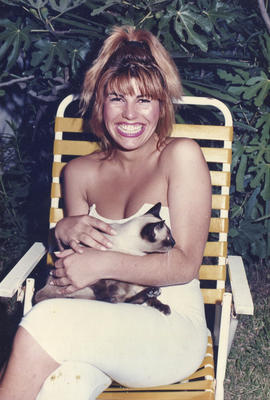
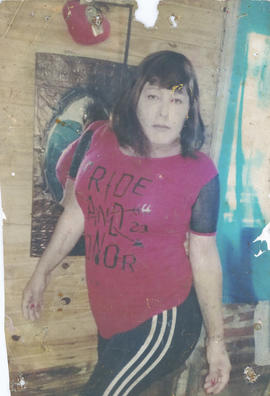
Belén Abigail Saravia, conocida como “La Turka”, nació el 24 de diciembre de 1968 en el Hospital Penna de la Ciudad de Buenos Aires, aunque ella misma expresa dudas sobre la exactitud de esa fecha. Creció en el barrio de Pompeya, en la Villa 1-11-14, y posteriormente residió en Villa Jardín y en Hudson, donde convivió con su hermana y su cuñado. Se crió en un entorno familiar atravesado por la violencia ejercida por su padre, junto a su madre y su hermana, siendo su madre una figura de sostén que la acompañó en distintos momentos de su vida.
Desde la infancia manifestó su identidad de género, lo que derivó en experiencias tempranas de discriminación en el ámbito escolar. Durante esos años también atravesó situaciones de abuso sexual en el ámbito intrafamiliar y por parte de adultos vinculados a instituciones, sin contar con respuestas de protección adecuadas. Su madre gestionó instancias de atención psicológica, constituyendo uno de los pocos apoyos en ese período.
A los 13 años comenzó a vincularse con espacios de sociabilidad travesti/trans, como el boliche “Confusión”, en la Ciudad de Buenos Aires. En la adolescencia entabló vínculos con otras mujeres trans que influyeron en su trayectoria, en particular con “Micaela”, a quien reconoce como una referencia afectiva y de aprendizaje en la vida en la calle. A los 19 años inició tratamientos hormonales y posteriormente participó en prácticas de aplicación de silicona industrial de manera casera, en un contexto de acceso limitado a la salud, lo que derivó en consecuencias físicas que persisten en la actualidad.
Durante las décadas de 1980 y 1990 desarrolló su actividad laboral principalmente en el trabajo sexual en la vía pública, en distintas zonas de la Ciudad de Buenos Aires. En ese período fue objeto de reiteradas detenciones, violencia institucional, abusos y persecución policial, en el marco de la criminalización sistemática de las identidades travestis y trans, incluso en años posteriores al retorno democrático.
Paralelamente, participó en espacios culturales como la comparsa “Los Fantoches de San Cristóbal”, donde encontró instancias de expresión y sociabilidad. A lo largo de su vida sostuvo vínculos afectivos diversos y, en la actualidad, convive con su pareja, Jonathan, con quien comparte su vida desde hace varios años.
Con los ingresos obtenidos a lo largo de su trayectoria, logró adquirir un terreno y construir su vivienda, donde reside actualmente, contribuyendo también al sostenimiento económico de su familia de origen. En su vida adulta mantiene una vinculación con el activismo desde una perspectiva personal, valorando los avances en materia de derechos, como la Ley de Identidad de Género, y reflexionando sobre los alcances y límites de las políticas de reparación.
En la actualidad, Belén Abigail Saravia organiza su vida en torno a su hogar, su pareja y su entorno afectivo, mientras convive con dolencias físicas asociadas a intervenciones realizadas en contextos de exclusión del sistema de salud. Continúa desarrollando su vida cotidiana con el objetivo de sostener condiciones de bienestar y acompañamiento en su entorno cercano.

Belén Abigail Saravia, known as “La Turka,” was born on December 24, 1968, at Penna Hospital in the City of Buenos Aires, although she herself expresses doubts about the accuracy of this date. She grew up in the Pompeya neighborhood, in Villa 1-11-14, and later lived in Villa Jardín and Hudson, where she shared a home with her sister and brother-in-law. She was raised in a family environment marked by violence perpetrated by her father, alongside her mother and sister. Her mother was an important source of support who accompanied her through different stages of her life.

From childhood, she expressed her gender identity, which led to early experiences of discrimination at school. During those years, she also experienced sexual abuse within her family and by adults connected to institutions, without receiving adequate protection or support. Her mother arranged for her to receive psychological care, becoming one of the few sources of support available to her during that period.

At the age of 13, she began becoming involved in travesti/trans social spaces, including the nightclub “Confusión” in the City of Buenos Aires. During adolescence, she formed relationships with other trans women who influenced her life trajectory, particularly “Micaela,” whom she recognizes as an important emotional reference and as someone from whom she learned about life on the streets. At the age of 19, she began hormone treatments and later participated in the informal, home-based practice of injecting industrial silicone, in a context of limited access to healthcare. These procedures resulted in physical consequences that continue to affect her today.

During the 1980s and 1990s, she worked primarily in street-based sex work in different areas of the City of Buenos Aires. During this period, she was repeatedly detained and subjected to institutional violence, abuse, and police persecution, within a context of systematic criminalization of travesti and trans identities, including during the years following the return to democracy.

At the same time, she participated in cultural spaces such as the “Los Fantoches de San Cristóbal” comparsa, where she found opportunities for self-expression and social interaction. Throughout her life, she maintained a variety of emotional relationships and currently lives with her partner, Jonathan, with whom she has shared her life for several years.

With the income she earned throughout her working life, she was able to purchase a plot of land and build her own home, where she currently lives. She also contributed to the financial support of her family of origin. As an adult, she has maintained a personal connection to activism, valuing advances in rights, such as the Gender Identity Law, while reflecting on the scope and limitations of reparation policies.

Today, Belén Abigail Saravia's life revolves around her home, her partner, and her emotional support network, while she lives with physical conditions associated with interventions carried out in contexts of exclusion from the healthcare system. She continues her everyday life with the aim of maintaining conditions of well-being and support within her close community.

Beatriz Herrera

  • BH01
  • Persona
  • 1976 - presente

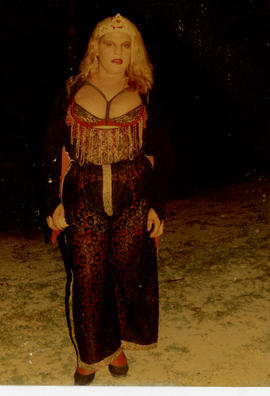
Beatriz Herrera, conocida como “Betty” o “La Betty”, nació el 16 de marzo de 1976 en la Ciudad de Buenos Aires, en el seno de una familia de origen santiagueño de clase trabajadora. Creció junto a su hermana en un hogar marcado por el trabajo y el esfuerzo familiar: su madre se desempeñó como enfermera y su padre como encargado de edificio. Cursó la educación primaria en la escuela pública y tuvo trayectorias intermitentes en la educación secundaria, atravesadas por las condiciones económicas familiares y el fallecimiento de su padre en 1996, situación que la llevó a incorporarse tempranamente al mundo laboral.

Beatriz Herrera, known as “Betty” or “La Betty,” was born on March 16, 1976, in the City of Buenos Aires, into a working-class family of Santiago del Estero origin. She grew up with her sister in a household shaped by hard work and family effort: her mother worked as a nurse and her father as a building superintendent. She attended public primary school and had an intermittent secondary education, affected by her family's economic circumstances and the death of her father in 1996, which led her to enter the workforce at an early age.

During her youth, she held various jobs in kiosks, hair salons, and food-service establishments. In the early 1990s, she began studying nursing at the Argentine Red Cross, but later discontinued her studies. During those years, she became involved in social spaces within the sexual diversity community in the City of Buenos Aires, particularly in the bar and nightclub scene, including venues such as Bunker, where she established relationships that became part of her emotional and community support network. It was within this context that she was given the name “La Betty,” which she adopted as her own.

Her gender identity was a process that she publicly consolidated in 2020, following a journey shaped by aesthetic expectations and hegemonic norms that have historically affected trans people. Her experience reflects broader transformations in the ways people within Argentina's travesti-trans community have named and recognized themselves.

In 2006, she began working as a self-taught makeup artist, a profession she practiced for approximately two decades in television, theater, film, and photography. Her work included both commercial productions and collaborations with other trans people, creating a space for learning, professional development, and collective growth.

She became involved with ATTTA (Association of Travestis, Transsexuals and Transgenders of Argentina) in 2010, marking the beginning of her activism in the fields of human rights and sexual diversity. Through these connections, in 2017 she obtained her first formal job at Línea 144, then operating under the National Institute for Women, where she provided assistance and support to women experiencing violence. During this period, she resumed and completed her secondary education, in a context marked by the death of her mother in 2019.

Later, in 2023, she joined Fundación Huésped as a health promoter for the “TRANSformá tu Salud” project, aimed at the trans population. In 2024, she began working at the Trans Memory Archive, an organization dedicated to preserving the histories and experiences of the travesti-trans community in Argentina.

Throughout her life trajectory, she experienced discrimination, institutional violence, and arbitrary detention, within the framework of state policies and social practices that historically criminalized travesti and trans identities. These conditions coexisted with the development of networks of care, affection, and collective organizing that proved fundamental to her journey.

Today, she continues to participate in community spaces and organizations connected to sexual diversity, bringing together her professional, activist, and community experience in the promotion of rights and the strengthening of collective travesti-trans memory.

Durante su juventud transitó diversos empleos en kioscos, peluquerías y espacios gastronómicos. A comienzos de la década de 1990 inició estudios de enfermería en la Cruz Roja, que luego abandonó. En esos años comenzó a vincularse con espacios de sociabilidad de la diversidad sexual en la Ciudad de Buenos Aires, particularmente en el circuito de bares y discotecas como Bunker, donde estableció lazos que configuraron su red afectiva y comunitaria. En ese contexto recibió el nombre “La Betty”, que adoptó como propio.

Su identidad de género fue un proceso que consolidó públicamente en 2020, luego de un recorrido atravesado por los mandatos estéticos y las normas hegemónicas que históricamente condicionaron a las personas trans. Su experiencia da cuenta de las transformaciones en las formas de nombrarse y reconocerse dentro de la comunidad travesti-trans en Argentina.

En 2006 comenzó a desarrollarse como maquilladora de manera autodidacta, oficio que ejerció durante aproximadamente dos décadas en ámbitos de televisión, teatro, cine y fotografía. Su trabajo incluyó tanto producciones comerciales como colaboraciones con otras personas trans, constituyendo un espacio de formación y crecimiento colectivo.

Su participación en la organización ATTTA (Asociación de Travestis, Transexuales y Transgéneros de Argentina) se inició en 2010, marcando el comienzo de su militancia en el campo de los derechos humanos y la diversidad sexual. A partir de estos vínculos accedió en 2017 a su primer empleo formal en la Línea 144 del entonces Instituto Nacional de las Mujeres, donde se desempeñó en tareas de atención y asistencia a mujeres en situación de violencia. En ese período retomó y finalizó sus estudios secundarios, en un contexto atravesado por el fallecimiento de su madre en 2019.

Posteriormente, en 2023, se incorporó a Fundación Huésped como promotora de salud en el proyecto “TRANSformá tu Salud”, orientado a la población trans. En 2024 comenzó a trabajar en el Archivo de la Memoria Trans, espacio vinculado a la preservación de las historias y experiencias del colectivo travesti-trans en Argentina.

A lo largo de su trayectoria, su vida estuvo atravesada por experiencias de discriminación, violencia institucional y detenciones arbitrarias, en el marco de políticas estatales y prácticas sociales que históricamente criminalizaron las identidades travestis y trans. Estas condiciones coexistieron con la construcción de redes de cuidado, afecto y organización colectiva que resultaron fundamentales en su recorrido.

En la actualidad, continúa participando en espacios comunitarios y organizaciones vinculadas a la diversidad sexual, articulando su experiencia laboral, militante y comunitaria en la promoción de derechos y el fortalecimiento de la memoria colectiva travesti-trans.

Andrea Soledad Vargas

  • AV03
  • Persona
  • 1967 - presente

Andrea Vargas nació el 19 de enero de 1967 en la Maternidad Sardá, en el barrio porteño de Parque Patricios. Fue la tercera de cuatro hermanos y creció en el seno de una familia trabajadora junto a sus padres, dos hermanas y un hermano mayor. Recuerda su infancia como una etapa marcada por el afecto familiar y por una temprana expresión de su identidad de género. Desde pequeña encontró en los juegos, la ropa de su madre y las actividades compartidas con sus hermanas formas de reconocerse y expresar una identidad que contrastaba con las expectativas sociales de la época.
Durante la adolescencia comenzó a enfrentar situaciones de discriminación y dificultades para transitar los espacios educativos y sociales. En ese contexto encontró en la lectura y la música ámbitos de interés y expresión personal. Su trayectoria se desarrolló en un período en el que las identidades travestis y trans eran objeto de criminalización y persecución. Como muchas mujeres trans de su generación, fue detenida en numerosas oportunidades en aplicación de los edictos policiales, permaneciendo en comisarías durante días o semanas y sufriendo diversas formas de violencia institucional. Estas experiencias se desarrollaron en paralelo a una vida familiar que procuró preservar, evitando compartir con sus padres las situaciones de violencia que atravesaba.
Las condiciones de exclusión que afectaban a las personas trans limitaron sus posibilidades de acceso al empleo formal. A lo largo de los años trabajó en peluquerías y desempeñó distintas tareas para sostenerse económicamente. También ejerció el trabajo sexual, actividad vinculada a la falta de oportunidades laborales disponibles para gran parte de las mujeres trans de su generación.
Un punto de inflexión en su trayectoria fue el encuentro con Andrés Mateo durante un carnaval en el sur del conurbano bonaerense. Junto a él construyó una vida en común que se extendió por más de tres décadas y conformó una familia. Participó activamente en la crianza de tres hijos, asumiendo las tareas de cuidado, el acompañamiento escolar y la vida cotidiana, consolidando un vínculo afectivo que con el tiempo llevó a que la hija menor la reconociera como su madre.
Durante esos años desarrolló una trayectoria como acompañante de personas mayores, actividad que inició a partir de la experiencia de cuidado de su compañero durante una enfermedad prolongada. Desde entonces continúa desempeñándose en ese ámbito, al que considera una forma de cuidado y compromiso con otras personas. Paralelamente incorporó el tejido como una práctica creativa y de expresión personal, elaborando prendas para familiares y personas cercanas.
Tras la sanción de la Ley de Identidad de Género fortaleció su participación en espacios de memoria y organización comunitaria del colectivo trans. Colaboró en actividades de sensibilización sobre diversidad en escuelas secundarias del municipio de Ezeiza y participa en iniciativas orientadas a preservar la memoria de las personas trans mayores y a promover el acceso a derechos. Actualmente reside en Ezeiza, donde continúa desarrollando tareas de cuidado, participa en espacios comunitarios y comparte su vida con su familia, contribuyendo a la construcción de memoria colectiva y al reconocimiento de las trayectorias de las personas travestis y trans en la Argentina.

Andrea Vargas was born on January 19, 1967, at Sardá Maternity Hospital, in the Parque Patricios neighborhood of the City of Buenos Aires. She was the third of four siblings and grew up in a working-class family with her parents, two sisters, and an older brother. She remembers her childhood as a period marked by family affection and an early expression of her gender identity. From a young age, she found in games, wearing her mother's clothes, and activities shared with her sisters ways of recognizing herself and expressing an identity that contrasted with the social expectations of the time.

During adolescence, she began facing discrimination and difficulties navigating educational and social spaces. In this context, she found in reading and music areas of personal interest and self-expression. Her life trajectory unfolded during a period when travesti and trans identities were subject to criminalization and persecution. Like many trans women of her generation, she was arrested numerous times under the police edicts, spending days or weeks in police stations and experiencing various forms of institutional violence. These experiences unfolded alongside a family life that she sought to preserve, choosing not to share with her parents the situations of violence she was experiencing.

The conditions of exclusion affecting trans people limited their opportunities to access formal employment. Over the years, she worked in hair salons and performed various jobs to support herself financially. She also engaged in sex work, an activity closely linked to the lack of employment opportunities available to many trans women of her generation.

A turning point in her life trajectory was meeting Andrés Mateo during a carnival in the southern area of Greater Buenos Aires. Together, they built a life that lasted for more than three decades and formed a family. She actively participated in raising three children, taking responsibility for caregiving, supporting their education, and sharing in everyday life. Over time, this emotional bond led the youngest daughter to recognize her as her mother.

During those years, she developed a career as a caregiver for older adults, an occupation she began after caring for her partner during a prolonged illness. She has continued working in this field ever since, which she regards as a form of care and commitment to others. At the same time, she took up knitting as a creative practice and means of personal expression, making garments for family members and people close to her.

Following the enactment of the Gender Identity Law, she strengthened her participation in spaces dedicated to memory and community organizing within the trans community. She collaborated in diversity-awareness activities at secondary schools in the municipality of Ezeiza and participates in initiatives aimed at preserving the memory of older trans people and promoting access to rights. She currently lives in Ezeiza, where she continues her caregiving work, participates in community spaces, and shares her life with her family, contributing to the construction of collective memory and to the recognition of the life trajectories of travesti and trans people in Argentina.

Andrea Luján Rodríguez

  • ALR01
  • Persona
  • 1973 - presente

Andrea Luján Rodríguez nació en 1973 en La Clotilde, provincia del Chaco. Durante su infancia vivió entre esa localidad y, posteriormente, el sur del conurbano bonaerense. Desde muy pequeña expresó una identidad de género femenina que generó rechazo en el entorno familiar y social en el que creció. En el ámbito escolar fue objeto de observaciones y estigmatización, mientras que en su hogar sufrió violencia física y simbólica por parte de su padre y el rechazo de su madrastra. En ese contexto encontró espacios de contención en los vínculos con amigas del barrio y en prácticas cotidianas que le permitían expresar su identidad.

A los 14 años fue expulsada de la casa familiar y enviada sola a Buenos Aires para reunirse con su madre, quien residía en Rafael Calzada. Tras llegar a la estación de Retiro sufrió el robo de sus pertenencias y permaneció durante un tiempo en situación de calle, hasta lograr reencontrarse con su madre. A partir de entonces comenzó a experimentar de manera sistemática la persecución policial por su expresión de género, en un período en que las identidades travestis y trans eran criminalizadas mediante los códigos contravencionales y otras prácticas de control estatal.

Durante las décadas de 1980 y 1990 integró las redes comunitarias de travestis y mujeres trans del sur del Gran Buenos Aires, viviendo en distintas casas compartidas en localidades como Wilde, Avellaneda, Monte Grande, Ezeiza y La Plata. Estas redes funcionaron como espacios de cuidado, solidaridad y transmisión de saberes. En ese período inició el trabajo sexual como estrategia de subsistencia frente a la exclusión del mercado laboral formal y fue detenida en numerosas oportunidades en comisarías de la zona sur, atravesando episodios de violencia institucional, privación ilegítima de la libertad y malos tratos. También trabajó durante dos años en una empresa privada, donde realizó tareas de limpieza hasta decidir priorizar su proceso de transición de género.

En 1995 recurrió a la aplicación de silicona líquida, práctica extendida entre las mujeres trans de la época debido a la ausencia de acceso a tratamientos médicos seguros y a políticas de salud inclusivas. Paralelamente encontró en el carnaval un ámbito de expresión y reconocimiento, participando durante años en comparsas del conurbano bonaerense y confeccionando sus propios vestuarios. Entre 2003 y 2005 compartió una convivencia con Andrés Ricardo Portillo, relación afectiva que ocupó un lugar significativo en su trayectoria.
Tras la sanción de la Ley de Identidad de Género, en 2013 regresó a La Clotilde para rectificar su partida de nacimiento y obtener un documento acorde con su identidad. Ese viaje propició el reencuentro con parte de su comunidad de origen, aunque no restableció el vínculo con su padre.

Desde 2005 reside junto a su madre en Rafael Calzada, donde continúa desarrollando su proyecto de vida. Además, se ha convertido en una referente para generaciones más jóvenes de mujeres trans, compartiendo experiencias y estrategias de cuidado construidas colectivamente. Vinculada al Archivo de la Memoria Trans, considera que la preservación de fotografías y testimonios constituye una herramienta fundamental para la construcción de la memoria colectiva y el reconocimiento de las trayectorias de las personas travestis y trans en la Argentina.

Andrea Luján Rodríguez was born in 1973 in La Clotilde, in the province of Chaco, Argentina, and grew up between her hometown and later the southern suburbs of Buenos Aires. From a very young age, she began expressing a feminine identity that clashed with the deeply conservative and macho environment in which she was raised. By third grade, one of her teachers suggested to her father that she should see a psychologist because she played with girls instead of boys. Instead, she was taken to a psychiatrist, who told her father that his child “had more female hormones than male ones” and that this would not change. From then on, violence at home intensified: Andrea suffered beatings from her father and rejection from her stepmother for plucking her eyebrows, dressing in feminine clothes in secret, and imagining herself living as a woman. At the same time, she found refuge among neighborhood friends and in small domestic rituals: wearing her grandmother’s apron, improvising breasts out of cloth, and cleaning the kitchen as she imagined an adult woman would.
At the age of 14 or 15, after years of violence and humiliation, her father expelled her from the family home and sent her alone by train to Buenos Aires, where her mother was living in Rafael Calzada. She arrived at Retiro Station on May 1st carrying only a small bag, which was stolen during her first night there. Without money or food, she survived on the streets and had her first XXX exchange in return for a sandwich. After wandering for weeks between Retiro and Constitución, she finally managed to remember how to get to Rafael Calzada and reunited with her mother, who welcomed her with affection, despite the constant rejection of her grandfather. From a very young age, Andrea was persecuted by the police simply because of her gender expression: she could be arrested just for walking down the street or going out to buy bread.
Over time, Andrea became connected with other travestis and trans women from the southern area of Greater Buenos Aires. She lived in shared houses in places such as Wilde, Avellaneda, Monte Grande, Ezeiza, and La Plata, becoming part of a large chosen family network. One of the most important figures in those years was Alejandra “La Tía,” who offered her stability and care during her time in Wilde. She also met La Tamara, who introduced her to XXX work on Camino de Cintura while she was still underage. This marked the beginning of a life deeply shaped by systematic police persecution under contravention laws that criminalized both prostitution and wearing “clothing inappropriate for one’s sex.”
Throughout the 1980s and 1990s, Andrea was arrested more than 150 times in police stations across Llavallol, Temperley, Turdera, Banfield, and other districts in southern Buenos Aires. She was detained in places such as the Pozo de Banfield, where she spent days isolated in underground cells without sunlight. During one arrest in Temperley, police violence left her with a broken arm. Andrea remembers those years as a period of extreme institutional violence, in which travestis were constantly targeted in police raids. At the same time, she also recalls the solidarity among companions: sharing food inside police stations, protecting each other on the streets, and warning one another about dangerous clients or police patrols.
In 1995, Andrea decided to undergo liquid silicone injections in her breasts, a common practice among travestis at the time due to the lack of access to safe medical procedures. Although she wanted to resemble popular figures such as Argentine singer Lía Crucet, over the years she began suffering chronic pain and later expressed regret about the consequences these interventions had on her body. She also worked for two years at Colgate-Palmolive, performing cleaning duties in an environment where coworkers accepted and respected her. However, she eventually quit because she wanted to continue her physical transition openly.
Between 2003 and 2005, Andrea experienced one of the most important relationships of her life with Andrés Ricardo Portillo, a client who later became her partner. They lived together in Constitución, and he asked her to leave XXX work, promising to support her financially. Andrea remembers him as the only great love of her life. Their relationship ended tragically when he died in a motorcycle accident.
In 2013, after the approval of Argentina’s Gender Identity Law, Andrea returned to Chaco to amend her birth certificate and obtain a female ID card. She returned to La Clotilde with fear after more than twenty years away, but was warmly welcomed by many people in the town, including childhood friends and local authorities. Her father, however, did not recognize her, and they never rebuilt their relationship. Andrea later learned that he had spent years telling people that his son had died in an accident, hiding her identity out of shame.
Since 2005, Andrea has been living again with her mother in Rafael Calzada, in a modest home where she shares her life with dogs, cats, and chickens. Over time, she also became a maternal figure and mentor for younger generations of travestis and trans women. Among them is Karen Solange Oldani, whom Andrea helped navigate life on the streets by teaching her survival strategies and ways to stay safe from everyday violence.
Beyond street life, Andrea found in carnival and comparsas a space of freedom and celebration. Over the years, she participated in groups such as Los Kamikazes de Don Orione, Maracaná de Burzaco, and Los Herederos de José Mármol, designing and sewing her own costumes. Carnival became one of the few moments when travestis could be publicly celebrated instead of persecuted.
Today, Andrea considers the Archivo de la Memoria Trans (Trans Memory Archive) a fundamental space for preserving the histories of those who survived decades of exclusion and violence. For her, photographs are proof of existence, memory, and collective resistance. Her testimony reconstructs not only a life marked by discrimination and marginalization, but also a story of survival, solidarity, and dignity within Argentina’s travesti-trans community.

Andrea Brigitte Gorosito

  • AG02
  • Persona
  • 1970 - 2005

Andrea Brigitte Gorosito, conocida como “Andrea de Fiorito”, nació el 27 de septiembre de 1970 en el Hospital Evita de Lanús, en la provincia de Buenos Aires. Creció en el conurbano bonaerense, en un entorno familiar en el que estableció vínculos significativos con sus hermanos, amistades del barrio y figuras cercanas como un primo con quien mantuvo una relación de confianza. Durante su infancia desarrolló un imaginario lúdico atravesado por la representación de personajes como la Mujer Maravilla, organizaba juegos en su casa y compartía tiempo en la vereda, donde practicaba patín. Su padre tuvo un rol activo en su crianza, transmitiéndole herramientas para desenvolverse en un contexto social que exigía formas de defensa.

Realizó sus estudios primarios en la Escuela N° 44 de Lomas de Zamora e inició el nivel secundario en la Escuela Torcuato Di Tella de Avellaneda, que no llegó a completar. Hacia los 16 o 17 años comenzó a afirmar su identidad de género. En el ámbito familiar sostenía una presentación acorde a las expectativas asignadas al nacer, mientras que en el espacio público expresaba su identidad elegida. Este proceso se desarrolló en diálogo con su entorno cercano y con referencias culturales como Brigitte Bardot y Madonna. Entre 1989 y 1990 residió en Uruguay, y posteriormente vivió en Brasil entre 1992 y 1997.

Durante su juventud inició tratamientos de hormonización y, posteriormente, intervenciones corporales en un contexto de acceso limitado a la salud para personas travestis y trans. A partir de mediados de la década de 1980 se vinculó al trabajo sexual en distintas zonas del conurbano bonaerense y la Ciudad de Buenos Aires. Esta actividad se desarrolló en un marco de persecución policial sistemática, que implicó detenciones reiteradas y circulación por comisarías de la provincia, en el contexto de normativas y prácticas que criminalizaban las identidades travestis y trans.

Además del trabajo sexual, realizó otras actividades laborales, entre ellas tareas en una panadería y trabajo como feriante. En el plano afectivo, mantuvo una relación de pareja significativa durante su juventud, con quien convivió durante un período.

A lo largo de su vida sostuvo vínculos cercanos con amistades y compañeras, configurando redes de sociabilidad y cuidado propias del colectivo travesti-trans. Su circulación por distintos territorios del conurbano y la ciudad, así como sus prácticas cotidianas, dan cuenta de formas de organización comunitaria y estrategias de supervivencia en contextos de exclusión.

Andrea Brigitte Gorosito falleció el 29 de septiembre de 2005. Su trayectoria permanece presente en la memoria de su entorno cercano a través de relatos, objetos y recuerdos que continúan reconstruyendo su vida y sus vínculos.

Andrea Brigitte Gorosito, known as “Andrea de Fiorito,” was born on September 27, 1970, at Evita Hospital in Lanús, in the province of Buenos Aires. She grew up in Greater Buenos Aires, in a family environment where she formed meaningful bonds with her siblings, neighborhood friends, and close figures such as a cousin with whom she maintained a relationship of trust. During her childhood, she developed a playful imagination shaped by her identification with characters such as Wonder Woman. She organized games at home and spent time outdoors with friends, roller-skating on the sidewalk. Her father played an active role in her upbringing, teaching her skills that would help her navigate a social environment that demanded forms of self-defense.

She attended Primary School No. 44 in Lomas de Zamora and began secondary school at Torcuato Di Tella School in Avellaneda, which she did not complete. Around the age of 16 or 17, she began to affirm her gender identity. Within her family, she maintained a presentation consistent with the expectations associated with the sex assigned to her at birth, while in public spaces she expressed her chosen identity. This process developed in dialogue with her immediate surroundings and with cultural references such as Brigitte Bardot and Madonna. Between 1989 and 1990, she lived in Uruguay, and later lived in Brazil from 1992 to 1997.

During her youth, she began hormone therapy and later underwent body modifications in a context of limited access to healthcare for travesti and trans people. From the mid-1980s onward, she became involved in sex work in different areas of Greater Buenos Aires and the City of Buenos Aires. This activity took place within a context of systematic police persecution, which involved repeated arrests and being taken to police stations throughout the province, amid regulations and practices that criminalized travesti and trans identities.

In addition to sex work, she engaged in other occupations, including working at a bakery and as a street-market vendor. In her personal life, she had a significant romantic relationship during her youth, with whom she lived for a period of time.

Throughout her life, she maintained close relationships with friends and compañeras, building networks of social connection and mutual care characteristic of the travesti-trans community. Her movement across different areas of Greater Buenos Aires and the city, as well as her everyday practices, reflects forms of community organization and survival strategies developed in contexts of exclusion.

Andrea Brigitte Gorosito died on September 29, 2005. Her life trajectory remains present in the memory of those close to her through stories, personal belongings, and memories that continue to reconstruct her life and relationships.