- MA02
- Persona
- 1968 - presente
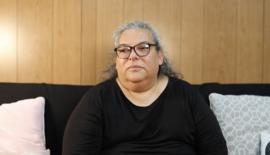
Marcela Victoria Arce nació el 30 de octubre de 1968 en la ciudad de Avellaneda, provincia de Buenos Aires. Creció en un entorno familiar junto a su padre, su madre, su abuela materna y sus hermanos, en una familia numerosa. Durante su infancia y adolescencia cursó la escuela primaria y secundaria, y posteriormente realizó estudios de Dibujo Publicitario durante dos años. Desde temprana edad desarrolló interés por actividades artísticas, especialmente el dibujo y la pintura.
En su adolescencia, entre los 16 y 17 años, comenzó a vincularse con espacios culturales y sociales asociados a la diversidad de género en el ámbito local. Participó en comparsas de la zona de Avellaneda, entre ellas “Los amantes del sol” de Villa Domínico, donde fue construyendo su identidad y su inserción en el ámbito festivo y comunitario. Su participación en estos espacios se sostuvo desde fines de la década de 1980 y se extendió durante varios años, hasta aproximadamente sus 45 años.
Inició su proceso de transición entre los 18 y 19 años, con el acompañamiento de su entorno familiar, en particular de su madre. En ese período estableció vínculos con referentes del colectivo travesti-trans, como La Cacho de Dock Sud y Adriana de Villa Fiorito, quienes formaron parte de sus primeras redes de sociabilidad y apoyo. A los 21 años realizó una celebración familiar que reunió tanto a integrantes de su familia como a personas del colectivo, configurando un espacio de encuentro entre distintos ámbitos de su vida.
En el plano laboral, trabajó en empleos formales antes de su transición, desempeñándose como cadete en oficinas y en una entidad bancaria. Hacia fines de la década de 1980 comenzó a ejercer el trabajo sexual en la zona de Centenario Uruguayo, en Villa Domínico. Posteriormente se estableció en Wilde, donde continúa desarrollando esta actividad desde hace más de dos décadas en un mismo punto de la vía pública, en articulación con el entorno barrial.
A lo largo de su trayectoria atravesó situaciones de detención y violencia institucional, especialmente durante las décadas de 1980 y 1990, en un contexto marcado por la vigencia de edictos policiales y la criminalización de las identidades travestis y trans. En años posteriores, la derogación de estas normativas y la sanción de la Ley de Identidad de Género en Argentina incidieron en la transformación de sus condiciones de vida y en el acceso a derechos.
En la actualidad reside en Wilde, donde mantiene vínculos familiares y afectivos. Participa del Archivo de la Memoria Trans, colaborando en la preservación de fotografías y testimonios, y contribuyendo a la construcción de un registro colectivo de las experiencias del colectivo travesti-trans.
Marcela Victoria Arce was born on October 30, 1968, in the city of Avellaneda, in the province of Buenos Aires. She grew up in a large family with her father, mother, maternal grandmother, and siblings. During her childhood and adolescence, she attended elementary and secondary school and later studied Commercial Art and Illustration for two years. From an early age, she developed an interest in the arts, particularly drawing and painting.
Between the ages of 16 and 17, she began becoming involved with cultural and social spaces connected to gender diversity in her local community. She participated in comparsas in the Avellaneda area, including “Los Amantes del Sol” in Villa Domínico, where she developed her identity and became part of festive and community life. Her involvement in these spaces began in the late 1980s and continued for several years, until she was approximately 45 years old.
She began her transition between the ages of 18 and 19, with the support of her family, particularly her mother. During this period, she formed relationships with members of the travesti-trans community, including La Cacho from Dock Sud and Adriana from Villa Fiorito, who became part of her first networks of social connection and support. At the age of 21, she held a family celebration that brought together relatives and members of the community, creating a space where different aspects of her life could come together.
In terms of employment, she held formal jobs before her transition, working as an office messenger and at a bank. Toward the end of the 1980s, she began doing sex work in the Centenario Uruguayo area of Villa Domínico. She later settled in Wilde, where she has continued this work for more than two decades at the same location on a public street, maintaining ties with the surrounding neighborhood.
Throughout her life, she experienced detention and institutional violence, particularly during the 1980s and 1990s, in a context marked by the enforcement of police edicts and the criminalization of travesti and trans identities. In later years, the repeal of these regulations and the passage of Argentina’s Gender Identity Law contributed to changes in her living conditions and access to rights.
Today, she lives in Wilde, where she maintains family and personal relationships. She participates in the Archivo de la Memoria Trans, contributing to the preservation of photographs and testimonies and helping build a collective record of the experiences of the travesti-trans community.