
Ayudante de Cocina

Taxonomía

Código

Nota(s) sobre el alcance

Nota(s) sobre el origen

Mostrar nota(s)

Términos jerárquicos

Ayudante de Cocina

Términos equivalentes

Ayudante de Cocina

Términos asociados

Ayudante de Cocina

4 Registro de autoridad results for Ayudante de Cocina

4 resultados directamente relacionados Excluir términos relacionados

Yenny Belacín

  • YB01
  • Persona
  • 1951 - presente

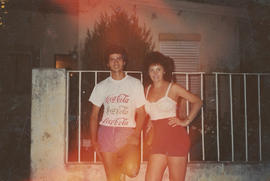
Yenny Belacín nació en General Lamadrid el 18 de junio de 1951. Durante su infancia cursó la escuela primaria en esa localidad y creció junto a sus hermanos bajo el cuidado de una tía, quien asumió su crianza luego del fallecimiento de sus padres. En esos años recibió el apodo de “Cocó” y comenzó a transitar experiencias vinculadas a su identidad de género en un contexto social donde las expresiones disidentes eran escasamente reconocidas y atravesadas por la discriminación.
A los 17 años, en 1969, se trasladó sola a la Ciudad de Buenos Aires en busca de nuevas oportunidades. Allí realizó distintos trabajos, entre ellos como ayudante de cocina y encargada de un hotel, y comenzó su proceso de transición social. Durante ese período inició un tratamiento hormonal a partir de los saberes compartidos dentro de las redes comunitarias de personas trans de la época. Como muchas mujeres trans de su generación, atravesó situaciones de exclusión y controles policiales en un contexto marcado por la criminalización de las identidades trans.
Posteriormente se radicó en Mar del Plata, ciudad en la que residió durante casi cuatro décadas y donde desarrolló una trayectoria vinculada al arte, la moda y los espectáculos. Con el nombre artístico de Yenny Colbert participó en producciones del Teatro Folies Bergère, donde realizó números de canto, baile y revista, y también trabajó en el cabaret Las Vegas. Paralelamente integró comparsas de carnaval, participando en la organización de desfiles y en la confección de vestuarios, espacios donde construyó vínculos comunitarios y desarrolló sus capacidades creativas.
Su trayectoria laboral estuvo también ligada a los oficios textiles. Se formó en costura y confección de prendas de cuero y piel, y trabajó en distintos talleres y comercios marplatenses, entre ellos Pieles Milo, Cueros RA, Casa Nelson y Cueros Fortín. Más adelante instaló un taller de costura en su vivienda y emprendió un pequeño comercio de alimentos, mientras acompañaba y cuidaba a la tía que había sido una figura central en su crianza.
A los 32 años realizó una intervención estética con silicona y, a los 67 años, accedió a una cirugía de afirmación de género en el Hospital Gutiérrez. También realizó el cambio registral de su identidad, adoptando oficialmente el nombre de Yenny Belacín, con el que había sido reconocida durante gran parte de su vida.
Tras el fallecimiento de su tía regresó a General Lamadrid, donde reside actualmente. Allí participa en iniciativas comunitarias, integra la cooperadora de un hogar de personas mayores y colabora en actividades solidarias. Continúa vinculada a la cocina, la costura y los espacios de participación comunitaria, saberes y prácticas que forman parte de su trayectoria vital.

Yenny Belacín was born in General Lamadrid on June 18, 1951. During her childhood, she attended primary school there and grew up alongside her siblings under the care of an aunt, who took responsibility for raising them following the death of their parents. During these years, she was given the nickname “Cocó” and began to explore experiences related to her gender identity in a social context in which gender-diverse expressions were rarely recognized and were often met with discrimination.
At the age of 17, in 1969, she moved alone to the city of Buenos Aires in search of new opportunities. There, she held various jobs, including working as a kitchen assistant and managing a hotel, while beginning her social transition. During this period, she started hormone treatment based on knowledge shared through the trans community networks of the time. Like many trans women of her generation, she experienced exclusion and police harassment within a context marked by the criminalization of trans identities.
She later settled in Mar del Plata, where she lived for nearly four decades and developed a career connected to the arts, fashion, and entertainment. Under the stage name Yenny Colbert, she performed at the Teatro Folies Bergère, presenting singing, dancing, and revue numbers, and also worked at the Las Vegas cabaret. At the same time, she became involved with carnival groups, taking part in the organization of parades and the making of costumes. These spaces allowed her to build community ties and develop her creative skills.
Her working life was also closely connected to textile crafts. She trained in sewing and in the making of leather and fur garments, and worked in several workshops and businesses in Mar del Plata, including Pieles Milo, Cueros RA, Casa Nelson, and Cueros Fortín. Later, she set up a sewing workshop in her home and opened a small food business, while also caring for and supporting the aunt who had played a central role in her upbringing.
At the age of 32, she underwent a cosmetic procedure involving silicone, and at 67 she underwent gender-affirming surgery at Hospital Gutiérrez. She also legally changed her registered identity, officially adopting the name Yenny Belacín, by which she had been known for much of her life.
Following her aunt’s death, Yenny returned to General Lamadrid, where she currently lives. There, she participates in community initiatives, serves on the support committee of a residential home for older adults, and contributes to charitable activities. She remains connected to cooking, sewing, and community participation, practices and forms of knowledge that continue to be an integral part of her life trajectory.
Merlina Victoria Groba

  • MVG01
  • Persona
  • 1962 - Actualidad

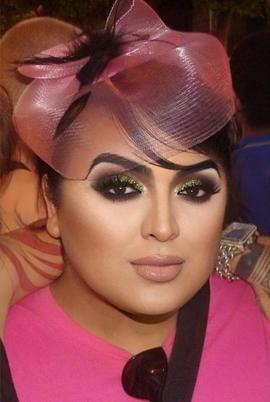
Merlina nació el 9 de octubre de 1962 en la Ciudad de Buenos Aires, en el barrio de Parque Avellaneda, en el Hospital Álvarez. Creció junto a su madre, su padre, un hermano, sus dos abuelos paternos y su tía Sara. Su madre era ama de casa y su padre se desempeñó como colectivero, fletero y fabricante de salamandras. Desde los 11 años se consideraba una nena y disfrutaba disfrazarse con ropa femenina.

En marzo de 1976 comenzó sus estudios en el Colegio Industrial N.º 17 “Cornelio Saavedra”, que abandonó en tercer año. A partir del consejo de una profesora de Lengua, desarrolló el hábito de la lectura y comenzó a acercarse a la literatura, una práctica que mantuvo a lo largo de su vida. Durante esos años realizó distintos trabajos temporales y changas, entre ellos tareas de marroquinería y repartición de diarios.En 1981 realizó el servicio militar en la Escuela de Inteligencia del Ejército, en la zona de Clay y Báez. Permaneció allí durante ocho meses hasta ser dada de baja luego de un ataque de asma bronquial. Según su relato, una autoridad gay del Ejército le había aconsejado cómo provocar el ataque.

Posteriormente ingresó como personal de maestranza en el Banco Nacional de Desarrollo y, al año siguiente, trabajó como ayudante de cocina en el Banco Central. Luego renunció y pasó tres meses de vacaciones junto a sus primos en Río Negro. Entre 1983 y 1989 trabajó en un gimnasio de Buenos Aires y, paralelamente, en un natatorio de Caseros.

Después de las elecciones de 1989 ingresó a la Prefectura Naval Argentina como suboficial y solicitó la baja en 1991. Durante ese período participó, como integrante del grupo Guardacostas, en el último levantamiento contra los carapintadas, sin llegar a entrar en combate. Entre 2000 y 2002 convivió con Marcela, su novia desde años anteriores.

En 2002 completó el curso de Acompañante Terapéutica en la Facultad de Psicología de la Universidad de Buenos Aires. Al año siguiente ingresó a Red BA (Red Asistencial de Buenos Aires), donde trabajó como asistente geriátrica hasta 2007. En 2008 comenzó a trabajar como paseadora de perros, actividad que sostuvo hasta 2022. Ese mismo período estuvo acompañado por el inicio de su identificación como mujer trans y el uso de vestimenta femenina. El 8 de octubre de 2013 accedió al cambio registral de identidad de género.

Desde joven desarrolló interés por el dibujo y las ilustraciones propias y ajenas. A los 21 años tomó clases particulares durante algunos meses y posteriormente continuó realizando ilustraciones y fotoilustraciones. Desde 2003 lleva además un diario íntimo, al que fue dando distintos nombres, entre ellos Cuaderno de notas, Diarios de Merlina y Diario íntimo de una persona trans paseadora de perros, donde reúne escritos personales.

En 2021 retomó sus estudios en el Bachillerato Popular de Adolescentes y Adultos Mocha Celis, perteneciente a las Unidades de Gestión Educativa Experimental N.º 16. Egresó en noviembre de 2023 y actualmente forma parte de la Cooperativa Mocha Textil.

Merlina was born on October 9, 1962, in the Parque Avellaneda neighborhood of Buenos Aires, at Álvarez Hospital. She grew up with her mother, father, brother, paternal grandparents, and her paternal aunt Sara. Her mother was a homemaker, while her father worked as a bus driver, a delivery truck driver, and a manufacturer of wood-burning stoves. From the age of 11, Merlina considered herself a girl and enjoyed dressing up in women’s clothing.

In March 1976, she began attending Cornelio Saavedra Industrial School No. 17, which she left during her third year. Following the advice of a language teacher, she developed an interest in literature and began reading regularly, a habit she has maintained throughout her life. During those years, she took on various temporary jobs and odd jobs to support herself, including leatherwork and newspaper delivery.

In 1981, she completed compulsory military service at the Army Intelligence School, located in the Clay and Báez area. She remained there for eight months before being discharged following an attack of bronchial asthma. According to her account, a gay officer in the Army had advised her on how to trigger the attack. She subsequently joined the National Development Bank as a maintenance worker and, the following year, worked as a kitchen assistant at the Central Bank. She later resigned and spent three months on vacation with her cousins in Río Negro. Between 1983 and 1989, she worked at a gym in Buenos Aires while also working at a swimming facility in Caseros.

Following the 1989 elections, she joined the Argentine Naval Prefecture as a non-commissioned officer and requested her discharge in 1991. During that period, as a member of the Coast Guard group, she took part in the final uprising against the carapintadas, without entering combat. Between 2000 and 2002, she lived with Marcela, her girlfriend of several years.

In 2002, she completed a Therapeutic Companion training course at the School of Psychology of the University of Buenos Aires. The following year, she joined Red BA (Buenos Aires Assistance Network), where she worked as a geriatric care assistant until 2007. In 2008, she began working as a dog walker, a job she continued until 2022. Around that period, she also began wearing feminine clothing and identifying as a trans woman. On October 8, 2013, she exercised her right under Argentina’s Gender Identity Law to change the gender marker and name on her identity document.

From a young age, Merlina was interested in drawing and in the illustrations created by others. At the age of 21, she took private drawing lessons for several months and subsequently continued producing illustrations and photo-illustrations. Since 2003, she has also kept a personal diary, which she has given different titles over the years, including Cuaderno de notas (Notebook), Diarios de Merlina (Merlina’s Diaries), and Diario íntimo de una persona trans paseadora de perros (The Intimate Diary of a Trans Dog Walker), in which she records personal writings.

In 2021, she returned to formal education at the Mocha Celis Popular High School for Adolescents and Adults, part of Experimental Educational Management Unit No. 16. She graduated in November 2023 and is currently a member of the Mocha Textil Cooperative.

Candela Nicolosi

  • CN01
  • Persona
  • 1965 - presente

Candela Nicolosi nació el 6 de noviembre de 1965 en la provincia de Tucumán. Creció junto a su madre, Susana Rocha, y sus hermanos Mónica, Fredy, Antonio, Sergio, Gustavo y Jacqueline. Desde la adolescencia inició su proceso de construcción de identidad de género en un contexto de fuerte discriminación hacia las personas travestis y trans. A los 16 años dejó el hogar familiar, circunstancia que interrumpió en varias oportunidades su trayectoria educativa. A pesar de esas dificultades, logró completar los estudios primarios y secundarios en la adultez.
Durante su proceso de afirmación de género realizó tratamientos hormonales y accedió a intervenciones de modificación corporal. Como muchas mujeres trans de su generación, vivió durante décadas bajo un régimen de persecución y criminalización. Entre los 14 y los 40 años sufrió reiteradas detenciones y violencia institucional, en un período marcado por la aplicación de edictos policiales que restringían la libertad de las personas travestis y trans. En Tucumán ejerció el trabajo sexual en el Parque 9 de Julio, donde compartió ese espacio con otras compañeras. La violencia policial y las condiciones de exclusión que atravesaban impulsaron su traslado a la ciudad de Buenos Aires, al igual que ocurrió con muchas mujeres trans de su generación.
A lo largo de su vida sostuvo distintas actividades laborales, en su mayoría en condiciones de informalidad, entre ellas como ayudante de cocina, empleada doméstica y encargada de un motel. Su recorrido da cuenta de las dificultades que históricamente enfrentaron las personas trans para acceder al empleo registrado y a condiciones laborales estables. Posteriormente se incorporó a la Secretaría de la Mujer, Género y Diversidad, ampliando su participación en espacios vinculados a la promoción de derechos.
Su trayectoria también está marcada por la militancia. Participa activamente en la Agrupación Argentina Intersex, desde donde acompaña acciones orientadas a la defensa y ampliación de los derechos de las personas travestis, trans e intersex. Su compromiso se inscribe en un proceso colectivo de organización que impulsó importantes transformaciones en materia de reconocimiento y acceso a derechos en Argentina.
Actualmente reside en la vivienda familiar heredada de sus padres, junto a varios de sus hermanos. Continúa señalando las dificultades que enfrenta para acceder plenamente a la atención de la salud y a los tratamientos que requiere. En el ámbito personal mantiene una vida activa: practica hockey, conformó una red familiar mediante el cuidado de una joven que vive con ella desde su infancia y acompaña la llegada de un nuevo integrante de la familia. Su recorrido articula experiencias de exclusión con una sostenida participación comunitaria y militante en favor de los derechos de las personas travestis, trans e intersex.

Candela Nicolosi was born on November 6, 1965, in the province of Tucumán. She grew up with her mother, Susana Rocha, and her siblings Mónica, Fredy, Antonio, Sergio, Gustavo, and Jacqueline. During adolescence, she began her process of constructing and affirming her gender identity in a context of widespread discrimination against travesti and trans people. At the age of 16, she left her family home, a circumstance that interrupted her educational trajectory on several occasions. Despite these difficulties, she eventually completed both primary and secondary education as an adult.

As part of her gender affirmation process, she underwent hormone treatments and accessed various body-modification procedures. Like many trans women of her generation, she lived for decades under a regime of persecution and criminalization. Between the ages of 14 and 40, she experienced repeated arrests and institutional violence during a period marked by the enforcement of police edicts that restricted the freedom of travesti and trans people. In Tucumán, she engaged in sex work in Parque 9 de Julio, where she shared the space with other compañeras. Police violence and the conditions of exclusion they faced led her to move to the city of Buenos Aires, as happened to many trans women of her generation.

Throughout her life, she held various jobs, most of them under informal working conditions, including positions as a kitchen assistant, domestic worker, and motel manager. Her work history reflects the difficulties historically faced by trans people in accessing formal employment and stable working conditions. She later joined the Secretariat for Women, Gender and Diversity, expanding her involvement in spaces dedicated to the promotion and protection of rights.

Her life trajectory is also marked by activism. She actively participates in the Argentine Intersex Association, where she supports initiatives aimed at defending and expanding the rights of travesti, trans, and intersex people. Her commitment is part of a broader collective process of organization that has driven significant transformations in Argentina regarding the recognition of and access to rights.

Candela currently lives in the family home inherited from her parents, together with several of her siblings. She continues to highlight the difficulties she faces in obtaining full access to healthcare and to the treatments she requires. In her personal life, she maintains an active lifestyle: she plays hockey, has built a family network through caring for a young woman who has lived with her since childhood, and accompanies the arrival of a new member of the family. Her life trajectory brings together experiences of exclusion with sustained community involvement and activism in defense of the rights of travesti, trans, and intersex people.

Beatriz Herrera

  • BH01
  • Persona
  • 1976 - presente

Beatriz Herrera, conocida como “Betty” o “La Betty”, nació el 16 de marzo de 1976 en la Ciudad de Buenos Aires, en el seno de una familia de origen santiagueño de clase trabajadora. Creció junto a su hermana en un hogar marcado por el trabajo y el esfuerzo familiar: su madre se desempeñó como enfermera y su padre como encargado de edificio. Cursó la educación primaria en la escuela pública y tuvo trayectorias intermitentes en la educación secundaria, atravesadas por las condiciones económicas familiares y el fallecimiento de su padre en 1996, situación que la llevó a incorporarse tempranamente al mundo laboral.

Beatriz Herrera, known as “Betty” or “La Betty,” was born on March 16, 1976, in the City of Buenos Aires, into a working-class family of Santiago del Estero origin. She grew up with her sister in a household shaped by hard work and family effort: her mother worked as a nurse and her father as a building superintendent. She attended public primary school and had an intermittent secondary education, affected by her family's economic circumstances and the death of her father in 1996, which led her to enter the workforce at an early age.

During her youth, she held various jobs in kiosks, hair salons, and food-service establishments. In the early 1990s, she began studying nursing at the Argentine Red Cross, but later discontinued her studies. During those years, she became involved in social spaces within the sexual diversity community in the City of Buenos Aires, particularly in the bar and nightclub scene, including venues such as Bunker, where she established relationships that became part of her emotional and community support network. It was within this context that she was given the name “La Betty,” which she adopted as her own.

Her gender identity was a process that she publicly consolidated in 2020, following a journey shaped by aesthetic expectations and hegemonic norms that have historically affected trans people. Her experience reflects broader transformations in the ways people within Argentina's travesti-trans community have named and recognized themselves.

In 2006, she began working as a self-taught makeup artist, a profession she practiced for approximately two decades in television, theater, film, and photography. Her work included both commercial productions and collaborations with other trans people, creating a space for learning, professional development, and collective growth.

She became involved with ATTTA (Association of Travestis, Transsexuals and Transgenders of Argentina) in 2010, marking the beginning of her activism in the fields of human rights and sexual diversity. Through these connections, in 2017 she obtained her first formal job at Línea 144, then operating under the National Institute for Women, where she provided assistance and support to women experiencing violence. During this period, she resumed and completed her secondary education, in a context marked by the death of her mother in 2019.

Later, in 2023, she joined Fundación Huésped as a health promoter for the “TRANSformá tu Salud” project, aimed at the trans population. In 2024, she began working at the Trans Memory Archive, an organization dedicated to preserving the histories and experiences of the travesti-trans community in Argentina.

Throughout her life trajectory, she experienced discrimination, institutional violence, and arbitrary detention, within the framework of state policies and social practices that historically criminalized travesti and trans identities. These conditions coexisted with the development of networks of care, affection, and collective organizing that proved fundamental to her journey.

Today, she continues to participate in community spaces and organizations connected to sexual diversity, bringing together her professional, activist, and community experience in the promotion of rights and the strengthening of collective travesti-trans memory.

Durante su juventud transitó diversos empleos en kioscos, peluquerías y espacios gastronómicos. A comienzos de la década de 1990 inició estudios de enfermería en la Cruz Roja, que luego abandonó. En esos años comenzó a vincularse con espacios de sociabilidad de la diversidad sexual en la Ciudad de Buenos Aires, particularmente en el circuito de bares y discotecas como Bunker, donde estableció lazos que configuraron su red afectiva y comunitaria. En ese contexto recibió el nombre “La Betty”, que adoptó como propio.

Su identidad de género fue un proceso que consolidó públicamente en 2020, luego de un recorrido atravesado por los mandatos estéticos y las normas hegemónicas que históricamente condicionaron a las personas trans. Su experiencia da cuenta de las transformaciones en las formas de nombrarse y reconocerse dentro de la comunidad travesti-trans en Argentina.

En 2006 comenzó a desarrollarse como maquilladora de manera autodidacta, oficio que ejerció durante aproximadamente dos décadas en ámbitos de televisión, teatro, cine y fotografía. Su trabajo incluyó tanto producciones comerciales como colaboraciones con otras personas trans, constituyendo un espacio de formación y crecimiento colectivo.

Su participación en la organización ATTTA (Asociación de Travestis, Transexuales y Transgéneros de Argentina) se inició en 2010, marcando el comienzo de su militancia en el campo de los derechos humanos y la diversidad sexual. A partir de estos vínculos accedió en 2017 a su primer empleo formal en la Línea 144 del entonces Instituto Nacional de las Mujeres, donde se desempeñó en tareas de atención y asistencia a mujeres en situación de violencia. En ese período retomó y finalizó sus estudios secundarios, en un contexto atravesado por el fallecimiento de su madre en 2019.

Posteriormente, en 2023, se incorporó a Fundación Huésped como promotora de salud en el proyecto “TRANSformá tu Salud”, orientado a la población trans. En 2024 comenzó a trabajar en el Archivo de la Memoria Trans, espacio vinculado a la preservación de las historias y experiencias del colectivo travesti-trans en Argentina.

A lo largo de su trayectoria, su vida estuvo atravesada por experiencias de discriminación, violencia institucional y detenciones arbitrarias, en el marco de políticas estatales y prácticas sociales que históricamente criminalizaron las identidades travestis y trans. Estas condiciones coexistieron con la construcción de redes de cuidado, afecto y organización colectiva que resultaron fundamentales en su recorrido.

En la actualidad, continúa participando en espacios comunitarios y organizaciones vinculadas a la diversidad sexual, articulando su experiencia laboral, militante y comunitaria en la promoción de derechos y el fortalecimiento de la memoria colectiva travesti-trans.