Mostrando 78 resultados

Registro de autoridad
Archivo De La Memoria Trans

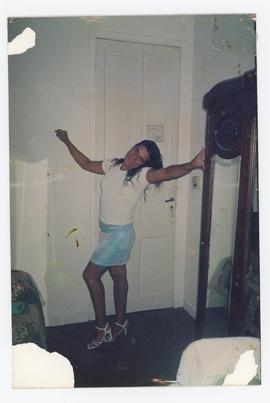
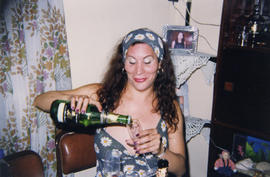
Pamela Micaela Paisani

  • PP02
  • Persona
  • 1964 - presente

Pamela Micaela Paisani nació en Mendoza en 1964. Poco tiempo después de su nacimiento, su familia se trasladó a Presidente Derqui, provincia de Buenos Aires, localidad donde transcurrió gran parte de su infancia. Es la mayor de cuatro hermanos y creció en una familia de origen italiano. Tras la separación de sus padres, durante algunos años permaneció al cuidado de su abuela, hasta que a los diez años regresó a Presidente Derqui para reencontrarse con su madre, su padrastro —a quien reconoce como su verdadero padre— y sus hermanos.
Desde la infancia se reconoció como una niña y comenzó a construir una identidad femenina en un contexto social en el que las identidades trans eran poco reconocidas y atravesaban distintas formas de exclusión. Durante su adolescencia conversó con su madre sobre su identidad y encontró en su familia un espacio de acompañamiento. Hacia los dieciséis años comenzó a presentarse socialmente como Pamela, nombre con el que fue reconocida por su entorno. En esos años inició su vida independiente y desarrolló distintos trabajos, entre ellos la peluquería, oficio en el que comenzó a formarse desde joven.
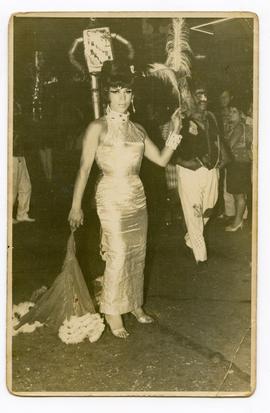
Durante su juventud encontró en las murgas y comparsas de José C. Paz espacios de expresión y pertenencia comunitaria. Participó activamente en corsos y actividades artísticas, desarrollando una fuerte vinculación con el baile y la cultura popular. En esos ámbitos fue conocida como “La Rumbera”, nombre asociado a su participación y presencia en los carnavales.
Su trayectoria transcurrió en un período histórico marcado por la persecución policial hacia las personas travestis y trans. Desde fines de la década de 1970 y durante los años siguientes fue detenida en reiteradas oportunidades mediante la aplicación de edictos policiales que criminalizaban la expresión de género. Estas detenciones, que se producían en espacios públicos y lugares de sociabilidad, estuvieron acompañadas por situaciones de hostigamiento, violencia institucional y vulneración de derechos.
A lo largo de su vida desarrolló diversas estrategias laborales frente a la exclusión que atravesaban muchas mujeres trans de su generación. Ejerció el trabajo sexual durante varias décadas, principalmente en General Rodríguez, y posteriormente incorporó otras actividades como la costura, la confección de ropa de trabajo, un almacén y un kiosco propio. En esa localidad construyó su vivienda y consolidó vínculos con vecinas, vecinos y compañeras trans, formando parte de la vida comunitaria durante más de veinticinco años.
En su trayectoria afectiva se destaca la relación que mantuvo durante catorce años con Gustavo, con quien compartió espacios de carnaval y vida familiar. También atravesó procesos de modificación corporal mediante tratamientos hormonales y aplicaciones de silicona industrial, prácticas extendidas entre mujeres trans de su generación ante la falta de acceso a tratamientos médicos seguros, y cuyas consecuencias aún afectan su salud.
En los últimos años se vinculó con organizaciones comunitarias como la Casa Trans del Oeste, donde fortaleció sus redes de acompañamiento y acceso a programas sociales. Retomó sus estudios secundarios en un programa educativo destinado a personas trans y actualmente continúa ese proceso de formación. Tras la sanción de la Ley de Identidad de Género realizó su cambio registral y recibió su Documento Nacional de Identidad con su nombre e identidad reconocidos.
En 2023 fue reconocida por la comunidad de General Rodríguez por su trayectoria como mujer trans y referente local. Actualmente reside en Presidente Derqui, mantiene vínculos con su familia y continúa trabajando desde su hogar en actividades de confección y proyectos comerciales, participando también en espacios comunitarios vinculados a la memoria y los derechos de las personas travestis y trans.

Pamela Micaela Paisani was born in Mendoza in 1964. Shortly after her birth, her family moved to Presidente Derqui, in the province of Buenos Aires, where she spent much of her childhood. She was the eldest of four siblings and grew up in a family of Italian descent. Following her parents’ separation, she lived with her grandmother for several years before returning to Presidente Derqui at the age of ten to reunite with her mother, her stepfather—whom she considers her true father—and her siblings.
From childhood, she identified as a girl and began developing a feminine identity within a social context in which trans identities were rarely recognized and were subject to various forms of exclusion. During adolescence, she spoke with her mother about her identity and found support within her family. Around the age of 16, she began presenting herself socially as Pamela, the name by which she became known among those around her. During these years, she began living independently and took on various jobs, including work in hairdressing, a profession she had started training for at a young age.
During her youth, murgas and comparsas in José C. Paz became important spaces of expression and community belonging. She actively participated in carnival celebrations and artistic activities, developing a strong connection to dance and popular culture. In these settings, she became known as “La Rumbera,” a name associated with her participation in and presence at carnival celebrations.
Her life unfolded during a historical period marked by police persecution of travesti and trans people. From the late 1970s onward, she was repeatedly detained under police edicts that criminalized gender expression. These arrests, which took place in public spaces and social settings, were accompanied by harassment, institutional violence, and violations of her rights.
Throughout her life, she developed various ways of supporting herself in response to the exclusion faced by many trans women of her generation. She engaged in sex work for several decades, primarily in General Rodríguez, and later took on other forms of work, including sewing, making work clothes, and running a grocery store and a small convenience shop. In General Rodríguez, she built her home and developed close relationships with neighbors and other trans women, becoming part of the local community for more than 25 years.
Among her long-term relationships, she shared 14 years with Gustavo, with whom she participated in carnival activities and built a life together. She also underwent body modifications through hormone treatments and industrial silicone injections, practices that were widespread among trans women of her generation due to the lack of access to safe medical treatments. The consequences of these procedures continue to affect her health.
In recent years, she became involved with community organizations such as Casa Trans del Oeste, where she strengthened her support networks and access to social programs. She resumed her secondary education through a program designed for trans people and continues her studies today. Following the passage of Argentina’s Gender Identity Law, she legally changed her name and obtained a National Identity Document reflecting her recognized name and gender identity.
In 2023, the community of General Rodríguez recognized her for her life trajectory as a trans woman and local community leader. She currently lives in Presidente Derqui, maintains close ties with her family, and continues to work from home on sewing and clothing projects as well as small business ventures. She also remains involved in community spaces dedicated to the memory and rights of travesti and trans people.
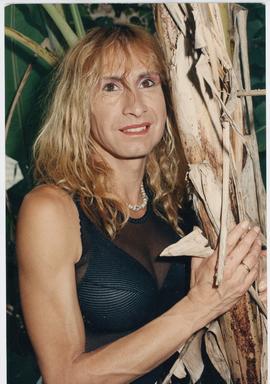
Ornella Vega

  • OTV01
  • Persona
  • 1964 - presente

Nació el 25 de abril de 1964 en Reconquista, provincia de Santa Fe, y creció en la ciudad de Vera junto a sus seis hermanos y hermanas. En 1983 migró a la provincia de Buenos Aires, donde continúa viviendo actualmente. A lo largo de sus primeros años en la provincia residió en Temperley, Glew y Guernica, hasta establecerse en Tigre, donde vive desde hace 28 años.

Al llegar a Buenos Aires comenzó a trabajar como empleada doméstica. Posteriormente se desempeñó como bartender en saunas, departamentos privados y otros espacios. Entre 1985 y 1990 ejerció el trabajo sexual en la zona de Guernica, en un contexto en el que las oportunidades laborales para las personas travestis y trans se encontraban fuertemente restringidas.

Desde 1990 participa en murgas, actividad que forma parte de su trayectoria cultural y comunitaria. En 1992 inició una relación de pareja con Sergio, con quien continúa actualmente.

En 2002 comenzó su participación política y comunitaria en el Movimiento Evita de Tigre. En ese marco se incorporó al comedor comunitario Merendero Los Descamisados, donde desarrolló tareas de acompañamiento y organización. En 2005 participó como referente y acompañante de un grupo de cien niños y niñas durante un viaje a Chapadmalal.

Su recorrido educativo continuó en la adultez. Entre 2013 y 2016 realizó sus estudios secundarios. Posteriormente cursó durante dos años la carrera de Psicología Social en la Escuela de Psicología Social “Pocho Lepratti”, perteneciente a la Asociación de Trabajadores del Estado (ATE).

Desde 2008 trabaja en el Hospital Público Provincial “Magdalena V. de Martínez”, en Pacheco. A partir de 2009 se desempeñó como delegada sindical de ATE en el sector de mucamas y, desde 2021, integra la Junta Interna de ATE del hospital, continuando su participación en espacios de organización y representación de trabajadores.

Desde 2018 trabaja en el Archivo de la Memoria Trans, donde desarrolla tareas de conservación. Su trayectoria reúne experiencias laborales, educativas, culturales, comunitarias y sindicales desarrolladas a lo largo de distintas etapas de su vida, así como su participación sostenida en espacios de organización colectiva y preservación de la memoria travesti y trans.

She was born on April 25, 1964, in Reconquista, Santa Fe Province, and grew up in the city of Vera with her six siblings. In 1983, she moved to Buenos Aires Province, where she continues to live today. During her early years in the province, she lived in Temperley, Glew, and Guernica, before settling in Tigre, where she has lived for the past 28 years.

Upon arriving in Buenos Aires, she began working as a domestic worker. She later worked as a bartender in saunas, private apartments, and other settings. Between 1985 and 1990, she engaged in sex work in the Guernica area of Buenos Aires Province, at a time when employment opportunities for travesti and trans people were severely restricted.

Since 1990, she has participated in murga groups as a dancer, an activity that has been part of her cultural and community life. In 1992, she began a relationship with Sergio, with whom she remains together.

In 2002, she became involved in political and community organizing with the Movimiento Evita in Tigre. Within this movement, she joined the community soup kitchen Merendero Los Descamisados, where she took on responsibilities related to support and organization. In 2005, she served as a community leader and chaperone for a group of one hundred children during a trip to Chapadmalal.

Her educational path continued into adulthood. Between 2013 and 2016, she completed her secondary education. She later studied Social Psychology for two years at the “Pocho Lepratti” School of Social Psychology, part of the Asociación de Trabajadores del Estado (ATE).

Since 2008, she has worked at the “Magdalena V. de Martínez” Provincial Public Hospital in Pacheco. Beginning in 2009, she served as an ATE union delegate for the hospital’s housekeeping staff and, since 2021, has been a member of the hospital’s ATE Internal Committee, continuing her involvement in spaces for workers’ organization and representation.

Since 2018, she has worked at the Archivo de la Memoria Trans, where she is involved in conservation work. Her trajectory brings together experiences in employment, education, culture, community organizing, and union activism developed throughout different stages of her life, as well as her sustained participation in collective organizing and the preservation of travesti and trans memory.

Nury Osmar Luis Calcagno

  • NC01
  • Persona
  • 1939 - presente

Nury, nombre por el que es conocida Osmar Luis Calcagno y por el que actualmente también es llamada Omi, nació en la ciudad de Santa Fe el 12 de mayo de 1939, aunque fue inscripta oficialmente el 25 de mayo del mismo año. Creció junto a sus padres y un hermano mayor. Realizó allí sus estudios primarios y cursó el primer año de la escuela secundaria, que interrumpió al incorporarse tempranamente al mundo laboral.

Desde la infancia manifestó interés por el teatro, el baile, el maquillaje, la vestimenta y la interpretación de personajes femeninos. Durante la adolescencia comenzó a vincularse con espacios artísticos y grupos de amistades con intereses compartidos, desarrollando una afinidad por el espectáculo y la música. En Santa Fe asistió a presentaciones de distintas figuras del teatro y de la canción popular, experiencias que acompañaron su acercamiento al mundo artístico.

El nombre artístico Nury surgió a partir de una invitación para participar en un espectáculo de varieté. Posteriormente comenzó a presentarse como transformista en el cabaret Julien de Santa Fe, donde cantaba y participaba en distintos números escénicos. Durante aproximadamente cinco o seis años combinó esta actividad con trabajos en una mueblería, una zapatería y otros comercios.

A los 17 años se trasladó a Buenos Aires en un tren de carga. Durante sus primeros años en la ciudad trabajó como mucamo y en una confitería del barrio de Chacarita. En ese período atravesó la persecución policial hacia las expresiones de género disidentes y fue detenida en reiteradas oportunidades mediante la aplicación de edictos policiales, entre ellos el denominado “2.º H”. Estas prácticas de control y criminalización continuaron durante su juventud y, con menor frecuencia, durante la última dictadura cívico-militar.

A los 25 años conoció a Hugo, oriundo de Córdoba, con quien construyó una relación de pareja de 48 años. Juntos residieron en Hurlingham y posteriormente en Berazategui, donde compartieron una vida familiar y afectiva. Con el tiempo, su madre aceptó la relación y estableció un vínculo cercano con ambos.

Los carnavales ocuparon un lugar central en su trayectoria artística y comunitaria. Desde los 20 años participó en comparsas de Tigre, Avellaneda y Berazategui, entre ellas Los Vacantes y Los Elegantes. Diseñaba y confeccionaba sus propios trajes con la colaboración de personas vinculadas al teatro. También desarrolló actividades relacionadas con el canto, el dibujo y la pintura, e integró un coro de la Coordinadora de Berazategui.

En los últimos años se acercó al Archivo de la Memoria Trans, donde aportó fotografías y documentos personales para la preservación de la memoria colectiva travesti y trans. Actualmente continúa compartiendo su trayectoria y sus archivos personales como parte de la construcción de memorias comunitarias y del reconocimiento de las experiencias de las generaciones que la precedieron.

Nury, the name by which Osmar Luis Calcagno is known and which she is also currently called Omi, was born in the city of Santa Fe on May 12, 1939, although she was officially registered on May 25 of the same year. She grew up there with her parents and an older brother. She completed her primary education and attended the first year of secondary school, which she left when she entered the workforce at an early age.

From childhood, she was drawn to theater, dancing, makeup, clothing, and performing female characters. During her adolescence, she began becoming involved in artistic spaces and social groups with shared interests, while developing a strong affinity for entertainment and music. In Santa Fe, she attended performances by various figures from theater and popular music, experiences that accompanied her growing involvement in the arts.

The stage name Nury emerged from an invitation to participate in a variety show. She later began performing as a transformista at the Julien cabaret in Santa Fe, where she sang and took part in stage performances. For approximately five or six years, she combined this activity with various commercial jobs, including work at a furniture store, a shoe store, and other businesses.

At the age of 17, she moved to Buenos Aires by freight train. During her first years in the city, she worked as a domestic servant and at a confectionery in the Chacarita neighborhood. During this period, she experienced police persecution directed at gender-nonconforming expressions and was arrested repeatedly under the enforcement of police edicts, including the one known as “2.º H.” These practices of surveillance and criminalization continued throughout her youth and, less frequently, during Argentina’s last civic-military dictatorship.

At the age of 25, she met Hugo, who was from Córdoba, and they built a 48-year relationship. They lived together in Hurlingham and later in Berazategui, where they shared a family and affective life. Over time, her mother accepted their relationship and developed a close bond with both of them.

Carnival became a central space in her artistic and community life. From the age of 20, she participated in comparsas in Tigre, Avellaneda, and Berazategui, including Los Vacantes and Los Elegantes. She designed and made her own costumes with the assistance of people connected to the theater. She also pursued activities related to singing, drawing, and painting, and was a member of a choir organized by the Coordinadora de Berazategui.

In recent years, she became involved with the Archivo de la Memoria Trans, where she contributed photographs and personal documents to the preservation of collective travesti and trans memory. She currently continues to share her life story and personal archives as part of the construction of community memory and the recognition of the experiences of the generations that came before her.

Mychel Michella Aguilera

  • MMA01
  • Persona
  • 1969 - presente

Mychel Michella nació el 10 de enero de 1969 en la ciudad de Rosario, provincia de Santa Fe. Es hija de Sara Ilaria Aguilera y Elías Francisco Pérez y creció junto a diez hermanos, uno de ellos fallecido. Su infancia transcurrió en un contexto familiar atravesado por el maltrato y en una época en la que las posibilidades de reconocerse como mujer trans estaban fuertemente condicionadas por la discriminación social. Desde temprana edad comenzó a construir su identidad de manera gradual y con temor a que su familia conociera sus experiencias y deseos.

A los 6 años comenzó a alejarse reiteradamente de su casa. Durante esos períodos vivió en la calle, en paradas de colectivos, y se alimentó con la ayuda de otras personas. La Policía de Menores la trasladaba frecuentemente a su domicilio y, en tres oportunidades, fue derivada a hogares de niños. A los 12 años inició su transición fuera de su hogar y dejó distintas escuelas debido a los conflictos derivados de su identidad de género y de su decisión de defender sus derechos.

A los 13 años comenzó a realizar trabajo sexual en el Parque Independencia de Rosario, actividad que constituyó durante años su principal fuente de ingresos. Durante su adolescencia fue detenida junto a otras compañeras; al ser menor de edad, en general la Policía convocaba a sus padres para retirarla, aunque en algunas ocasiones fue trasladada a dependencias de la Policía de Menores. Luego de alcanzar la mayoría de edad, las detenciones estuvieron acompañadas por distintas formas de violencia física y psicológica ejercidas por las fuerzas policiales. El trabajo sexual también le permitió contribuir económicamente con su familia, que atravesaba una situación de pobreza. A los 16 años comenzó a tomar hormonas.

Paralelamente desarrolló otros trabajos, entre ellos tareas de repostería, talleres manuales, cuidado de personas mayores, empleo doméstico y trabajo en un frigorífico de Pérez Millán, provincia de Buenos Aires. En 1993 comenzó su participación política en el peronismo de Rosario, vinculándose con una Unidad Básica y participando en comedores y actividades comunitarias, entre ellas la organización de festejos por el Día de la Niñez.

A los 30 años conoció a Dante, con quien convivió durante diez años. Posteriormente se separaron. Desde joven también se vinculó con la religión afrobrasileña a través de amigas y, desde 2018, es Pronta en Santos en las tres líneas: Exú, Caboclo y Nación.

Alrededor de 2014 comenzó a participar en espacios vinculados a los derechos de las mujeres trans. Actualmente integra la Mesa de Reparación Histórica y el grupo Autoconvocadas de Rosario. Desde 2024 trabaja en el Archivo de la Memoria Trans, donde desarrolla tareas en las áreas de digitalización y conservación.

Mychel Michella was born on January 10, 1969, in the city of Rosario, Santa Fe Province. She is the daughter of Sara Ilaria Aguilera and Elías Francisco Pérez and grew up with ten siblings, one of whom has since passed away. Her childhood unfolded in a family environment marked by mistreatment and during a period when the possibility of identifying as a trans woman was heavily constrained by social discrimination. From an early age, she began to develop her gender identity gradually, fearful that her family would learn about her experiences and desires.

At the age of six, she began repeatedly leaving home. During these periods, she lived on the streets, often at bus stops, and relied on food given to her by others. The Juvenile Police frequently returned her to her family home, and on three occasions she was placed in children’s homes. At the age of 12, she began her transition outside her family home and left several schools because of conflicts arising from her gender identity and her decision to defend her rights.

At 13, she began doing sex work in Parque Independencia in Rosario, an activity that became her main source of income for many years. During her adolescence, she was arrested together with other companions; because she was a minor, the police would generally contact her parents to pick her up, although on some occasions she was taken to Juvenile Police facilities. After reaching adulthood, these arrests were accompanied by various forms of physical and psychological violence perpetrated by police forces. Sex work also enabled her to contribute financially to her family, which was living in poverty. At 16, she began taking hormones.

Alongside sex work, she held various other jobs, including pastry-making, handicraft workshops, elder care, domestic work, and employment at a slaughterhouse in Pérez Millán, Buenos Aires Province. In 1993, she became politically active in the Peronist movement in Rosario, becoming involved with a local Unidad Básica and participating in community activities, including soup kitchens and organizing celebrations for Children’s Day.

At the age of 30, she met Dante, with whom she lived for ten years. They later separated. From a young age, she was also introduced to Afro-Brazilian religion through friends and, since 2018, has been Pronta en Santos in its three lines: Exú, Caboclo, and Nación.

Around 2014, she began participating in spaces focused on the rights of trans women. She currently takes part in the Mesa de Reparación Histórica and the Autoconvocadas group in Rosario. Since 2024, she has worked at the Archivo de la Memoria Trans, where she carries out tasks in digitization and preservation.

Mónica Tatiana Andrada

  • MA01
  • Persona
  • 1968 - Presente

Mónica Tatiana Andrada es una mujer trans argentina, nació el 29 de septiembre de 1968 en la Ciudad de Buenos Aires. Desde temprana edad construyó su identidad de género en un contexto de fuerte discriminación hacia las personas travestis y trans. A lo largo de su vida manifestó un profundo arraigo con su ciudad y con el país, eligiendo permanecer en Argentina aun en períodos marcados por la exclusión social y el acceso restringido a derechos.

Durante su juventud y parte de su adultez desarrolló actividades vinculadas al trabajo sexual en distintos puntos de la Ciudad de Buenos Aires y del sur del conurbano bonaerense. Como muchas mujeres trans de su generación, su trayectoria estuvo atravesada por la aplicación de edictos policiales y otras normativas contravencionales que criminalizaban las identidades travestis y trans. En ese contexto sufrió reiteradas detenciones, traslados a comisarías, multas y diversas formas de violencia institucional que condicionaron su vida cotidiana y sus posibilidades de acceder a otros ámbitos laborales.

A lo largo de los años construyó vínculos afectivos y proyectos de vida en común, entre ellos una convivencia de varios años con una de sus parejas. También transitó distintos procesos de afirmación de género, que incluyeron tratamientos estéticos e intervenciones quirúrgicas. Posteriormente accedió, a través del sistema público de salud, a una reducción mamaria destinada a resolver problemas físicos derivados del peso de los implantes, experiencia que mejoró su calidad de vida y puso de manifiesto la importancia del acceso a la atención sanitaria.

La sanción de la Ley de Identidad de Género representó un punto de inflexión en su trayectoria. Tras la entrada en vigencia de la normativa realizó la rectificación registral de su identidad, accediendo al reconocimiento legal de su nombre y género y ampliando el ejercicio de derechos que durante décadas habían permanecido restringidos para las personas trans.

En los años posteriores ingresó a trabajar en el Archivo Nacional de la Memoria, en el predio de la ex ESMA, mediante el cupo laboral travesti-trans. Allí desarrolla tareas de archivo, conservación, descripción y codificación documental, vinculadas a la preservación de documentación histórica. Paralelamente continúa su formación en herramientas informáticas y en la finalización de sus estudios secundarios, consolidando un proceso de capacitación permanente.

Actualmente desempeña sus funciones en el Archivo Nacional de la Memoria, donde contribuye a la organización y preservación del patrimonio documental. Su recorrido reúne las experiencias de una generación atravesada por la criminalización y la exclusión, así como los efectos de las políticas de ampliación de derechos que posibilitaron el acceso al reconocimiento legal de su identidad y al empleo formal en el Estado.

Mónica Tatiana Andrada is an Argentine trans woman who was born on September 29, 1968, in the City of Buenos Aires. From an early age, she developed her gender identity in a context of widespread discrimination against travesti and trans people. Throughout her life, she has maintained a strong connection to her city and country, choosing to remain in Argentina even during periods marked by social exclusion and restricted access to rights.

During her youth and part of her adult life, she engaged in sex work in different areas of the City of Buenos Aires and the southern Greater Buenos Aires metropolitan area. Like many trans women of her generation, her life was shaped by the enforcement of police edicts and other administrative regulations that criminalized travesti and trans identities. In this context, she experienced repeated arrests, transfers to police stations, fines, and various forms of institutional violence that affected her daily life and limited her opportunities to enter other areas of employment.

Over the years, she built affective relationships and shared life projects, including several years living with one of her partners. She also underwent different processes of gender affirmation that included aesthetic treatments and surgical procedures. Later, through the public healthcare system, she underwent breast reduction surgery to address physical problems caused by the weight of her implants. The procedure improved her quality of life and highlighted the importance of access to healthcare.

The enactment of Argentina’s Gender Identity Law represented a turning point in her life. Following the law’s entry into force, she had her legal records amended to reflect her gender identity, gaining legal recognition of her name and gender and expanding her access to rights that had remained restricted for trans people for decades.

In subsequent years, she began working at the National Memory Archive, located at the former ESMA site, through Argentina’s travesti-trans employment quota. There, she carries out archival, preservation, description, and document coding tasks related to the preservation of historical records. At the same time, she continues to develop her computer skills and work toward completing her secondary education, consolidating an ongoing process of professional and educational development.

She currently works at the National Memory Archive, where she contributes to the organization and preservation of documentary heritage. Her trajectory reflects the experiences of a generation shaped by criminalization and exclusion, as well as the impact of policies expanding rights that have enabled access to legal recognition of gender identity and formal employment in the public sector.

Mónica Del Valle

  • MDV01
  • Persona
  • 1953 - presente

Mónica del Valle, conocida en su entorno como “La Bruja” o “Moni”, nació en 1953 en la provincia de Buenos Aires y creció en una familia numerosa. Durante su infancia y juventud atravesó el rechazo de su padre hacia su identidad de género, mientras encontraba acompañamiento y apoyo en su madre y sus hermanas, vínculos que formaron parte de sus redes afectivas a lo largo de su vida.

A fines de la década de 1960 y comienzos de los años 70 inició su proceso de construcción de identidad femenina y comenzó a frecuentar espacios de sociabilidad LGBTQ+ junto a un tío gay, quien la acercó a esos ámbitos comunitarios y a otras personas mayores que compartieron con ella estrategias de cuidado y supervivencia frente a la persecución policial vigente en ese período. En esos años trabajó en talleres de costura y fábricas textiles, al mismo tiempo que comenzó transformaciones corporales mediante el uso de anticonceptivos y, posteriormente, aplicaciones clandestinas de silicona, prácticas frecuentes entre muchas personas trans ante la falta de acceso a tratamientos seguros y acompañamiento institucional.

Durante los años 70 desarrolló actividades laborales en bares y cabarets del sur del conurbano bonaerense. En ese contexto atravesó múltiples situaciones de violencia institucional, detenciones arbitrarias y malos tratos por parte de fuerzas policiales en comisarías y brigadas de Quilmes, Bernal y Florencio Varela. Durante la última dictadura cívico-militar argentina sufrió persecuciones sistemáticas y permaneció detenida en reiteradas oportunidades, incluyendo una detención prolongada en la Comisaría Segunda de Bernal, donde fue sometida a prácticas represivas. También relató experiencias de violencia en la Brigada de Quilmes, actualmente señalizada como espacio de memoria, vinculadas a la persecución y desaparición de personas durante el terrorismo de Estado.

Durante la década de 1980 comenzó a ejercer el trabajo sexual en la zona sur del conurbano bonaerense, especialmente en Villa Los Eucaliptos, Quilmes Oeste. Los ingresos obtenidos mediante esta actividad le permitieron construir su vivienda y sostener económicamente a integrantes de su familia. A lo largo de su trayectoria atravesó situaciones de vulnerabilidad, violencia y persecución, junto con la presencia constante de redes de apoyo familiares y afectivas, especialmente el acompañamiento de su madre.

En 2012, tras la sanción de la Ley de Identidad de Género, realizó el cambio registral de su identidad. En los últimos años se alejó del trabajo sexual y continúa viviendo junto a sus sobrinos y sobrinas, a quienes reconoce como parte de su familia. Actualmente participa en espacios del Archivo de la Memoria Trans y en talleres comunitarios, donde comparte sus recuerdos, fotografías y experiencias, contribuyendo a la preservación de la memoria colectiva de las personas trans en Argentina.

Mónica, known among her close circle as “La Bruja” or “Moni,” was born in 1953 in the Province of Buenos Aires and grew up in a large family where, despite her father’s rejection, she found unconditional support from her mother and sisters from an early age. During the late 1960s and early 1970s, she began expressing her feminine identity and attending LGBTQ+ social spaces alongside a gay uncle who introduced her to that world and, together with other older queer people, taught her survival strategies to avoid police persecution.

During those years she worked in sewing workshops and textile factories while beginning her bodily transformation through contraceptive pills and later clandestine silicone injections. By the early 1970s, she was working in bars and cabarets in the southern outskirts of Buenos Aires and experienced repeated episodes of institutional violence, arbitrary arrests, and police torture in stations and brigades in Quilmes, Bernal, and Florencio Varela, particularly during Argentina’s civic-military dictatorship. She recalled being detained around twenty times and spending up to three months imprisoned at the Segunda de Bernal police station, where her head was shaved and she endured severe abuse.

She also recounted traumatic experiences at the Quilmes Brigade —now a memory site— where she heard torture sessions and encountered disappeared detainees whose names she was never able to remember in order to notify their families. During the 1980s, she began engaging in sex work in the southern districts of Greater Buenos Aires, especially in Villa Los Eucaliptos in Quilmes Oeste, where she worked for several years while keeping that part of her life secret from her partners. Through this work, she was able to buy construction materials, build her home, and financially support members of her family. Throughout her life, she endured violent relationships, constant police persecution, and situations of extreme vulnerability, while always highlighting the protection of her mother, a fiercely determined woman who confronted both police officers and relatives in order to defend her.

After the passing of Argentina’s Gender Identity Law in 2012, Mónica immediately changed her legal documents and described that moment as the beginning of a life lived with greater peace and dignity. Now retired from sex work, she lives alongside nieces and nephews whom she considers her own children, in a home built through decades of personal effort. In recent years, she has begun participating in the Archivo de la Memoria Trans and attending community workshops, where she has started sharing her memories, photographs, and life experiences connected to the history of Argentina’s trans memory movement.

Merlina Victoria Groba

  • MVG01
  • Persona
  • 1962 - Actualidad

Merlina nació el 9 de octubre de 1962 en la Ciudad de Buenos Aires, en el barrio de Parque Avellaneda, en el Hospital Álvarez. Creció junto a su madre, su padre, un hermano, sus dos abuelos paternos y su tía Sara. Su madre era ama de casa y su padre se desempeñó como colectivero, fletero y fabricante de salamandras. Desde los 11 años se consideraba una nena y disfrutaba disfrazarse con ropa femenina.

En marzo de 1976 comenzó sus estudios en el Colegio Industrial N.º 17 “Cornelio Saavedra”, que abandonó en tercer año. A partir del consejo de una profesora de Lengua, desarrolló el hábito de la lectura y comenzó a acercarse a la literatura, una práctica que mantuvo a lo largo de su vida. Durante esos años realizó distintos trabajos temporales y changas, entre ellos tareas de marroquinería y repartición de diarios.En 1981 realizó el servicio militar en la Escuela de Inteligencia del Ejército, en la zona de Clay y Báez. Permaneció allí durante ocho meses hasta ser dada de baja luego de un ataque de asma bronquial. Según su relato, una autoridad gay del Ejército le había aconsejado cómo provocar el ataque.

Posteriormente ingresó como personal de maestranza en el Banco Nacional de Desarrollo y, al año siguiente, trabajó como ayudante de cocina en el Banco Central. Luego renunció y pasó tres meses de vacaciones junto a sus primos en Río Negro. Entre 1983 y 1989 trabajó en un gimnasio de Buenos Aires y, paralelamente, en un natatorio de Caseros.

Después de las elecciones de 1989 ingresó a la Prefectura Naval Argentina como suboficial y solicitó la baja en 1991. Durante ese período participó, como integrante del grupo Guardacostas, en el último levantamiento contra los carapintadas, sin llegar a entrar en combate. Entre 2000 y 2002 convivió con Marcela, su novia desde años anteriores.

En 2002 completó el curso de Acompañante Terapéutica en la Facultad de Psicología de la Universidad de Buenos Aires. Al año siguiente ingresó a Red BA (Red Asistencial de Buenos Aires), donde trabajó como asistente geriátrica hasta 2007. En 2008 comenzó a trabajar como paseadora de perros, actividad que sostuvo hasta 2022. Ese mismo período estuvo acompañado por el inicio de su identificación como mujer trans y el uso de vestimenta femenina. El 8 de octubre de 2013 accedió al cambio registral de identidad de género.

Desde joven desarrolló interés por el dibujo y las ilustraciones propias y ajenas. A los 21 años tomó clases particulares durante algunos meses y posteriormente continuó realizando ilustraciones y fotoilustraciones. Desde 2003 lleva además un diario íntimo, al que fue dando distintos nombres, entre ellos Cuaderno de notas, Diarios de Merlina y Diario íntimo de una persona trans paseadora de perros, donde reúne escritos personales.

En 2021 retomó sus estudios en el Bachillerato Popular de Adolescentes y Adultos Mocha Celis, perteneciente a las Unidades de Gestión Educativa Experimental N.º 16. Egresó en noviembre de 2023 y actualmente forma parte de la Cooperativa Mocha Textil.

Merlina was born on October 9, 1962, in the Parque Avellaneda neighborhood of Buenos Aires, at Álvarez Hospital. She grew up with her mother, father, brother, paternal grandparents, and her paternal aunt Sara. Her mother was a homemaker, while her father worked as a bus driver, a delivery truck driver, and a manufacturer of wood-burning stoves. From the age of 11, Merlina considered herself a girl and enjoyed dressing up in women’s clothing.

In March 1976, she began attending Cornelio Saavedra Industrial School No. 17, which she left during her third year. Following the advice of a language teacher, she developed an interest in literature and began reading regularly, a habit she has maintained throughout her life. During those years, she took on various temporary jobs and odd jobs to support herself, including leatherwork and newspaper delivery.

In 1981, she completed compulsory military service at the Army Intelligence School, located in the Clay and Báez area. She remained there for eight months before being discharged following an attack of bronchial asthma. According to her account, a gay officer in the Army had advised her on how to trigger the attack. She subsequently joined the National Development Bank as a maintenance worker and, the following year, worked as a kitchen assistant at the Central Bank. She later resigned and spent three months on vacation with her cousins in Río Negro. Between 1983 and 1989, she worked at a gym in Buenos Aires while also working at a swimming facility in Caseros.

Following the 1989 elections, she joined the Argentine Naval Prefecture as a non-commissioned officer and requested her discharge in 1991. During that period, as a member of the Coast Guard group, she took part in the final uprising against the carapintadas, without entering combat. Between 2000 and 2002, she lived with Marcela, her girlfriend of several years.

In 2002, she completed a Therapeutic Companion training course at the School of Psychology of the University of Buenos Aires. The following year, she joined Red BA (Buenos Aires Assistance Network), where she worked as a geriatric care assistant until 2007. In 2008, she began working as a dog walker, a job she continued until 2022. Around that period, she also began wearing feminine clothing and identifying as a trans woman. On October 8, 2013, she exercised her right under Argentina’s Gender Identity Law to change the gender marker and name on her identity document.

From a young age, Merlina was interested in drawing and in the illustrations created by others. At the age of 21, she took private drawing lessons for several months and subsequently continued producing illustrations and photo-illustrations. Since 2003, she has also kept a personal diary, which she has given different titles over the years, including Cuaderno de notas (Notebook), Diarios de Merlina (Merlina’s Diaries), and Diario íntimo de una persona trans paseadora de perros (The Intimate Diary of a Trans Dog Walker), in which she records personal writings.

In 2021, she returned to formal education at the Mocha Celis Popular High School for Adolescents and Adults, part of Experimental Educational Management Unit No. 16. She graduated in November 2023 and is currently a member of the Mocha Textil Cooperative.

Mayra Denise

  • MD01
  • Persona

Mayra Denise nació en el seno de una familia numerosa, como hija de una mujer a quien reconoce como su principal referente afectivo y de un padre de origen salteño, con una formación religiosa y una concepción tradicional de los roles de género. Creció junto a sus hermanos en un entorno familiar donde su madre promovía la unión, el diálogo y el respeto. Desde la infancia comenzó a percibirse diferente y a construir una identidad femenina que sostuvo a lo largo del tiempo, en un contexto social en el que las identidades travestis y trans eran objeto de estigmatización y control.
Durante la adolescencia atravesó problemas de salud que interrumpieron su escolaridad, lo que limitó la continuidad de sus estudios secundarios. En ese período desarrolló intereses vinculados al dibujo, la lectura y la cultura, en diálogo con influencias familiares asociadas al ámbito artístico y literario del norte argentino. En su juventud comenzó a trabajar y, de manera paralela, profundizó su camino espiritual dentro de las religiones afrobrasileñas, práctica que se consolidó como su principal actividad durante gran parte de su vida.
Alrededor de los 20 años se trasladó a la Ciudad de Buenos Aires, donde residió en pensiones y hoteles mientras se insertaba laboralmente. En ese proceso construyó vínculos dentro de la comunidad travesti y homosexual, conformando redes de sociabilidad y acompañamiento. Participó durante años en carnavales y comparsas, espacios que funcionaron como ámbitos de expresión artística y pertenencia, en un contexto atravesado por la persecución policial y la criminalización de las identidades disidentes.
Durante la última dictadura cívico-militar se desempeñó laboralmente en el Jockey Club y posteriormente en tareas administrativas vinculadas al Hipódromo, atravesando un período signado por restricciones y controles que impactaban en la vida cotidiana de las personas travestis y trans.
A lo largo de su vida sostuvo vínculos afectivos diversos y construyó una familia elegida. Considera como hijo a Héctor, a quien acompañó desde su adolescencia, y mantiene un rol activo en la vida de sus descendientes, consolidando lazos de cuidado y transmisión de valores. La relación con su padre, inicialmente conflictiva, evolucionó con el tiempo hacia un vínculo basado en el respeto mutuo. La muerte de su madre constituyó un acontecimiento significativo en su trayectoria, manteniendo su figura como referencia central.
En 2008 recibió un diagnóstico de VIH y, a partir de entonces, inició y sostuvo tratamientos médicos que le permitieron alcanzar en 2024 una carga viral indetectable e intransmisible.
En los últimos años comenzó a participar en espacios comunitarios y reuniones vecinales en el partido de San Isidro, donde interviene en acciones vinculadas al acceso a la salud, la denuncia de situaciones de discriminación y el acompañamiento de reclamos de reparación histórica para la población travesti y trans. Actualmente continúa desarrollando actividades comunitarias, sosteniendo redes afectivas y participando en instancias de organización social.

Mayra Denise was born into a large family. She was the daughter of a woman whom she regarded as her primary source of emotional support and a father of Salta origin, who had a religious upbringing and held traditional views regarding gender roles. She grew up with her siblings in a family environment where her mother encouraged unity, dialogue, and respect. From childhood, she began to perceive herself as different and developed a feminine identity that she maintained throughout her life, within a social context in which travesti and trans identities were subject to stigma and control.
During adolescence, she experienced health problems that interrupted her schooling, limiting her ability to continue her secondary education. During this period, she developed interests in drawing, reading, and culture, influenced in part by her family’s connections to the artistic and literary traditions of northern Argentina. In her youth, she began working while also deepening her spiritual path within Afro-Brazilian religions, a practice that became her main occupation for much of her life.
At around the age of 20, she moved to the city of Buenos Aires, where she lived in boarding houses and hotels while establishing herself professionally. During this period, she developed relationships within the travesti and gay communities, building networks of social connection and mutual support. For many years, she participated in carnivals and comparsas, spaces that provided opportunities for artistic expression and a sense of belonging amid a context marked by police persecution and the criminalization of gender and sexual identities that challenged social norms.
During Argentina’s last civic-military dictatorship, she worked at the Jockey Club and later held administrative positions connected to the Hippodrome, navigating a period marked by restrictions and surveillance that affected the everyday lives of travesti and trans people.
Throughout her life, she maintained diverse personal relationships and built a chosen family. She considers Héctor her son and supported him from adolescence onward, remaining actively involved in the lives of his descendants and fostering bonds of care and the transmission of values. Her relationship with her father, initially marked by conflict, evolved over time into one based on mutual respect. The death of her mother was a significant event in her life, while her memory has remained a central source of emotional connection and reference.
In 2008, she was diagnosed with HIV and subsequently began and maintained medical treatment that enabled her to achieve an undetectable and untransmittable viral load by 2024.
In recent years, she began participating in community spaces and neighborhood meetings in the municipality of San Isidro, where she has become involved in initiatives related to access to healthcare, reporting discrimination, and supporting demands for historical reparations for the travesti and trans population. She continues to engage in community activities, maintain networks of affection and support, and participate in forms of social organizing.

Mariel Fernanda Valenzuela

  • MV01
  • Persona
  • 1972 - presente

Mariel Fernanda Valenzuela nació el 23 de marzo de 1972 en Avellaneda, provincia de Buenos Aires, en el seno de una familia de origen correntino integrada por sus padres y tres hermanos. Desde su infancia manifestó una identificación temprana con el universo femenino y, a los nueve años, comenzó a vincularse con mujeres trans de su entorno barrial. A los diez años conoció a Charly, a quien reconoce como una figura central en su trayectoria y como su “madre trans”. Con el acompañamiento de su familia, especialmente de su madre Benita, inició su proceso de afirmación de género y comenzó a hormonizarse tempranamente.

Su infancia y adolescencia transcurrieron en un contexto de fuerte persecución hacia las personas travestis y trans, atravesado por detenciones policiales, razzias en espacios públicos y situaciones reiteradas de discriminación. En ese contexto, los carnavales, corsos y espacios de sociabilidad nocturna se constituyeron en ámbitos de pertenencia y expresión. Participó en comparsas del sur del Gran Buenos Aires, donde desarrolló habilidades para la confección artesanal de vestuario, tocados y espaldares, construyendo sus propias presentaciones. Estas experiencias artísticas constituyeron espacios sostenidos de afirmación identitaria y sociabilidad comunitaria.

A los 18 años interrumpió sus estudios secundarios, que cursaba en horario nocturno, para incorporarse al mercado laboral. Ingresó a un frigorífico, donde desarrolló una trayectoria de más de tres décadas, en un ámbito laboral poco frecuente para las mujeres trans de su generación. Durante esos años atravesó situaciones de hostilidad y prejuicio, al tiempo que construyó vínculos laborales que le permitieron sostener su empleo. Tras 33 años de trabajo en condiciones insalubres, accedió a la jubilación.

Paralelamente, participó en movilizaciones y acciones colectivas vinculadas al reconocimiento de los derechos de las personas travestis y trans, en un período de creciente organización del colectivo. Luego de la sanción de la Ley de Identidad de Género en 2012, realizó su cambio registral con el acompañamiento de su ámbito laboral.

A lo largo de su vida construyó vínculos afectivos y redes de sociabilidad dentro de la comunidad trans. La relación con su madre Benita, a quien acompañó especialmente durante su vejez y enfermedad, ocupó un lugar central en su trayectoria.

Luego de su jubilación inició una nueva etapa de participación comunitaria. Se integró a espacios colectivos como Kumas y el Archivo de la Memoria Trans, donde aporta su testimonio a la preservación de las memorias travestis y trans. También retomó su formación en el Bachillerato Popular Mocha Celis. Actualmente reside en la provincia de Buenos Aires y continúa participando en actividades comunitarias, culturales y de memoria, mientras desarrolla actividades personales vinculadas a la crianza de animales y la vida cotidiana.

Mariel Fernanda Valenzuela was born on March 23, 1972, in Avellaneda, Buenos Aires Province, into a family of Corrientes origin consisting of her parents and three siblings. From childhood, she expressed an early identification with femininity, and at the age of nine, she began forming relationships with trans women from her neighborhood. At ten, she met Charly, whom she considers a central figure in her life and her “trans mother.” With the support of her family, particularly her mother, Benita, she began her gender affirmation process and started hormone therapy at an early age.

Her childhood and adolescence unfolded in a context of intense persecution of travesti and trans people, marked by police detentions, raids in public spaces, and repeated experiences of discrimination. Within this context, carnivals, street corsos, and nightlife spaces became places of belonging and self-expression. She participated in comparsas in the southern Greater Buenos Aires area, where she developed skills in the handmade creation of costumes, headdresses, and backpieces, crafting her own performances. These artistic experiences became sustained spaces for gender affirmation and community connection.

At the age of 18, she left secondary school, which she had been attending at night, to enter the workforce. She began working at a meatpacking plant, where she built a career spanning more than three decades, in a workplace that was uncommon for trans women of her generation. During those years, she experienced hostility and prejudice while also developing workplace relationships that enabled her to remain employed. After 33 years of work under hazardous conditions, she retired.

Alongside her employment, she participated in demonstrations and collective actions advocating for the recognition of the rights of travesti and trans people, during a period of growing community organizing. Following the passage of the Gender Identity Law in 2012, she legally changed her gender marker with the support of her workplace.

Throughout her life, she built close relationships and social networks within the trans community. Her relationship with her mother, Benita, whom she especially supported during her later years and illness, held a central place in her life story.

Following her retirement, she began a new period of community involvement. She joined collective spaces such as Kumas and the Archivo de la Memoria Trans, where she contributes her testimony to the preservation of travesti and trans memories. She also resumed her education at the Bachillerato Popular Mocha Celis. She currently lives in Buenos Aires Province and continues to participate in community, cultural, and memory-related activities, while pursuing personal interests connected to caring for animals and everyday life.

María Belén Correa

  • MBC01
  • Persona
  • 1973 - presente

María Belén Correa nació el 25 de junio de 1973 en Olivera, partido de Luján, provincia de Buenos Aires, y creció entre Olivera y la ciudad de Luján, en el seno de una familia trabajadora. Desde su infancia atravesó conflictos vinculados a su identidad de género en un contexto social hostil hacia las diversidades sexuales. Durante su adolescencia comenzó a vincularse con otras travestis y mujeres trans del conurbano y de la Ciudad de Buenos Aires, encontrando en esos vínculos un espacio de pertenencia frente a la discriminación, la violencia policial y la exclusión familiar y social que atravesaban las personas trans en la Argentina de los años ochenta y principios de los noventa.

A comienzos de la década de 1990 se incorporó al movimiento de diversidad sexual argentino. El 25 de junio de 1993, junto a Claudia Pía Baudracco y otras activistas, participó en la fundación de la Asociación de Travestis de Argentina, organización que posteriormente se transformaría en A.T.T.T.A. Entre 1995 y 2001 fue presidenta de la entidad y una de las referentes de la lucha contra los edictos policiales, por el reconocimiento de derechos y la visibilidad del colectivo travesti-trans. También integró la comisión organizadora de la Marcha del Orgullo en Buenos Aires, promoviendo la incorporación de espectáculos artísticos y una dimensión celebratoria a la movilización.

Paralelamente desarrolló una trayectoria artística como performer y actriz transformista. Desde mediados de los noventa realizó espectáculos en fiestas, escenarios comunitarios y actos públicos, entre ellos una interpretación de Eva Perón con la canción “No llores por mí, Argentina”. También integró compañías de espectáculos travestis que trabajaban en el sur de Brasil, experiencia que contribuyó a su profesionalización artística y al aprendizaje del portugués.

En 2001, la persecución policial, las amenazas y la violencia vinculadas a su identidad y militancia la llevaron a exiliarse en Estados Unidos. Se radicó en Nueva York y obtuvo asilo político en 2004. Allí retomó su actividad comunitaria e internacional. Ese año fundó, junto a Paty Betancourt, la Red Latinoamericana y del Caribe de Personas Trans (RedLacTrans), y posteriormente impulsó otros espacios destinados al acompañamiento de personas trans y migrantes.

En 2012 regresó a la Argentina para realizar su cambio registral en el marco de la Ley de Identidad de Género. Ese mismo año, a partir de la muerte de Claudia Pía Baudracco y de la necesidad de preservar la memoria de numerosas compañeras, impulsó la creación del Archivo de la Memoria Trans. Desde entonces, el proyecto se consolidó como un espacio colectivo de preservación, investigación y difusión de la historia travesti-trans argentina.

En 2019 fundó en Alemania Cosmopolitrans, organización dedicada al acompañamiento de personas trans migrantes y refugiadas. Actualmente reside en Alemania junto a su esposo, mantiene vínculos permanentes con Argentina y continúa trabajando de manera remota en el Archivo de la Memoria Trans, en proyectos comunitarios y en la escritura de sus memorias.

María Belén Correa was born on June 25, 1973, in Olivera, in the Luján district of Buenos Aires Province, and grew up between Olivera and the city of Luján in a working-class family. From childhood, she experienced conflicts related to her gender identity in a social context that was deeply hostile toward sexual and gender diversity. During her adolescence, she began forming relationships with other travestis and trans women from Greater Buenos Aires and the City of Buenos Aires, finding in these connections a sense of belonging in the face of the discrimination, police violence, and family and social exclusion experienced by trans people in Argentina during the 1980s and early 1990s.

In the early 1990s, she became involved in Argentina’s emerging sexual diversity movement. On June 25, 1993, together with Claudia Pía Baudracco and other activists, she participated in the founding of the Asociación de Travestis de Argentina, an organization that would later become A.T.T.T.A. (Asociación Travestis Transexuales Transgéneros Argentinas). Between 1995 and 2001, she served as president of the organization and became one of the leading figures in the struggle against police edicts, for the recognition of rights, and for the visibility of the travesti-trans community. She also served on the organizing committee of the Pride March in Buenos Aires, promoting the inclusion of artistic performances and a celebratory dimension alongside the political protest.

At the same time, she developed an artistic career as a performer and drag actress. From the mid-1990s onward, she performed at parties, community venues, and public events, including an interpretation of Eva Perón accompanied by the song “No llores por mí, Argentina.” She also performed with travesti entertainment companies working in southern Brazil, an experience that contributed to her professional development as an artist and enabled her to learn Portuguese.

In 2001, police persecution, threats, and violence related to her gender identity and activism led her into exile in the United States. She settled in New York and was granted political asylum in 2004. There, she resumed her community and international work. That same year, together with Paty Betancourt, she founded the Red Latinoamericana y del Caribe de Personas Trans (RedLacTrans), and subsequently helped establish other spaces dedicated to supporting trans people and migrants.

In 2012, she returned to Argentina to legally change her gender marker under the Gender Identity Law. That same year, following the death of Claudia Pía Baudracco and recognizing the need to preserve the memory of numerous compañeras, she initiated the creation of the Archivo de la Memoria Trans. Since then, the project has grown into a collective space dedicated to preserving, researching, and disseminating the history of Argentina’s travesti-trans community.

In 2019, she founded Cosmopolitrans in Germany, an organization dedicated to supporting trans migrants and refugees. She currently lives in Germany with her husband, maintains close ties with Argentina, and continues to work remotely with the Archivo de la Memoria Trans, community projects, and the writing of her memoirs.

Resultados 21 a 30 de 78