
Affichage de 100 résultats

Notice d'autorité

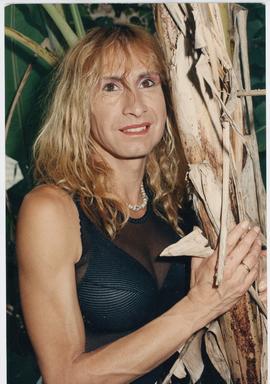
Ornella Vega

  • OTV01
  • Personne
  • 1964 - presente

Nació el 25 de abril de 1964 en Reconquista, provincia de Santa Fe, y creció en la ciudad de Vera junto a sus seis hermanos y hermanas. En 1983 migró a la provincia de Buenos Aires, donde continúa viviendo actualmente. A lo largo de sus primeros años en la provincia residió en Temperley, Glew y Guernica, hasta establecerse en Tigre, donde vive desde hace 28 años.

Al llegar a Buenos Aires comenzó a trabajar como empleada doméstica. Posteriormente se desempeñó como bartender en saunas, departamentos privados y otros espacios. Entre 1985 y 1990 ejerció el trabajo sexual en la zona de Guernica, en un contexto en el que las oportunidades laborales para las personas travestis y trans se encontraban fuertemente restringidas.

Desde 1990 participa en murgas, actividad que forma parte de su trayectoria cultural y comunitaria. En 1992 inició una relación de pareja con Sergio, con quien continúa actualmente.

En 2002 comenzó su participación política y comunitaria en el Movimiento Evita de Tigre. En ese marco se incorporó al comedor comunitario Merendero Los Descamisados, donde desarrolló tareas de acompañamiento y organización. En 2005 participó como referente y acompañante de un grupo de cien niños y niñas durante un viaje a Chapadmalal.

Su recorrido educativo continuó en la adultez. Entre 2013 y 2016 realizó sus estudios secundarios. Posteriormente cursó durante dos años la carrera de Psicología Social en la Escuela de Psicología Social “Pocho Lepratti”, perteneciente a la Asociación de Trabajadores del Estado (ATE).

Desde 2008 trabaja en el Hospital Público Provincial “Magdalena V. de Martínez”, en Pacheco. A partir de 2009 se desempeñó como delegada sindical de ATE en el sector de mucamas y, desde 2021, integra la Junta Interna de ATE del hospital, continuando su participación en espacios de organización y representación de trabajadores.

Desde 2018 trabaja en el Archivo de la Memoria Trans, donde desarrolla tareas de conservación. Su trayectoria reúne experiencias laborales, educativas, culturales, comunitarias y sindicales desarrolladas a lo largo de distintas etapas de su vida, así como su participación sostenida en espacios de organización colectiva y preservación de la memoria travesti y trans.

She was born on April 25, 1964, in Reconquista, Santa Fe Province, and grew up in the city of Vera with her six siblings. In 1983, she moved to Buenos Aires Province, where she continues to live today. During her early years in the province, she lived in Temperley, Glew, and Guernica, before settling in Tigre, where she has lived for the past 28 years.

Upon arriving in Buenos Aires, she began working as a domestic worker. She later worked as a bartender in saunas, private apartments, and other settings. Between 1985 and 1990, she engaged in sex work in the Guernica area of Buenos Aires Province, at a time when employment opportunities for travesti and trans people were severely restricted.

Since 1990, she has participated in murga groups as a dancer, an activity that has been part of her cultural and community life. In 1992, she began a relationship with Sergio, with whom she remains together.

In 2002, she became involved in political and community organizing with the Movimiento Evita in Tigre. Within this movement, she joined the community soup kitchen Merendero Los Descamisados, where she took on responsibilities related to support and organization. In 2005, she served as a community leader and chaperone for a group of one hundred children during a trip to Chapadmalal.

Her educational path continued into adulthood. Between 2013 and 2016, she completed her secondary education. She later studied Social Psychology for two years at the “Pocho Lepratti” School of Social Psychology, part of the Asociación de Trabajadores del Estado (ATE).

Since 2008, she has worked at the “Magdalena V. de Martínez” Provincial Public Hospital in Pacheco. Beginning in 2009, she served as an ATE union delegate for the hospital’s housekeeping staff and, since 2021, has been a member of the hospital’s ATE Internal Committee, continuing her involvement in spaces for workers’ organization and representation.

Since 2018, she has worked at the Archivo de la Memoria Trans, where she is involved in conservation work. Her trajectory brings together experiences in employment, education, culture, community organizing, and union activism developed throughout different stages of her life, as well as her sustained participation in collective organizing and the preservation of travesti and trans memory.
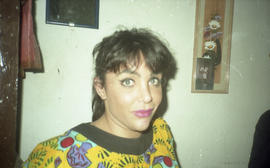
Vanesa Sanders Ferril

  • VSF01
  • Personne
  • 1971 - 2020

Nació el 16 de septiembre de 1971 en la provincia de Salta y falleció el 1 de octubre de 2020. Su trayectoria estuvo vinculada a la cultura popular salteña, a la vida comunitaria travesti y a los procesos de organización del movimiento trans en Argentina.

Desde joven participó de la comparsa salteña “Los Caballeros de la Noche”, espacio en el que desarrolló vínculos con la cultura y las expresiones colectivas de su provincia. En 1993 se trasladó a Buenos Aires, donde residió hasta 2005. Durante esos años participó de ATTTA (Asociación de Travestis, Transexuales y Transgéneros de Argentina), entre 1993 y 1998, formando parte de un período de consolidación de la organización y de articulación política de travestis y trans en el país.

A mediados de 2005 viajó a Francia, donde permaneció hasta mediados de 2012. Tras su regreso, retomó su vida en Salta y continuó vinculada a las redes comunitarias travestis y trans de la provincia.

En su comunidad fue reconocida como una “madre trans” por numerosas jóvenes trans de Salta, a quienes brindó alojamiento y acompañamiento en su propia casa. Esta práctica de cuidado y hospitalidad se inscribe en las redes de apoyo construidas históricamente por las comunidades travestis y trans frente a situaciones de exclusión familiar, habitacional y social. Su hogar se convirtió así en un espacio de encuentro y contención para jóvenes que encontraban en ella una referencia afectiva y comunitaria.

Su recorrido articula experiencias de participación cultural, organización política, migración y construcción de redes de cuidado. Su pertenencia a la comparsa, su participación temprana en ATTTA y el acompañamiento brindado a otras generaciones de jóvenes trans forman parte de una trayectoria vinculada a la construcción colectiva de espacios de pertenencia y apoyo dentro de la comunidad travesti y trans. Falleció en 2020, dejando una trayectoria asociada a las redes comunitarias y afectivas que contribuyó a sostener en Salta.

She was born on September 16, 1971, in the province of Salta and died on October 1, 2020. Her life trajectory was connected to Salta’s popular culture, travesti community life, and the organizing processes of Argentina’s trans movement.

From a young age, she participated in the Salta carnival comparsa “Los Caballeros de la Noche,” a space where she developed ties to the cultural and collective traditions of her province. In 1993, she moved to Buenos Aires, where she lived until 2005. During those years, she participated in ATTTA (Asociación de Travestis, Transexuales y Transgéneros de Argentina) between 1993 and 1998, becoming part of a period of organizational consolidation and political mobilization among travestis and trans people in Argentina.

In mid-2005, she traveled to France, where she remained until mid-2012. After returning to Argentina, she resumed her life in Salta and continued to be connected to the province’s travesti and trans community networks.

Within her community, she was recognized as a “trans mother” by many young trans women in Salta, whom she welcomed and housed in her own home. This practice of care and hospitality was part of the support networks historically built by travesti and trans communities in response to family, housing, and social exclusion. Her home thus became a space of gathering and support for young people who found in her an emotional and community reference.

Her trajectory brought together experiences of cultural participation, political organizing, migration, and the creation of networks of care. Her involvement in the comparsa, her early participation in ATTTA, and the support she provided to younger generations of trans people are part of a life history connected to the collective creation of spaces of belonging and mutual support within the travesti and trans community. She died in 2020, leaving a trajectory closely associated with the community and emotional networks she helped sustain in Salta.

Romina Bustamante

  • RB01
  • Personne
  • 1970 - presente

Romina nació el 16 de enero de 1970, conocida también como “Tula”, es una activista trans de Avellaneda cuya trayectoria se encuentra vinculada a los procesos de organización comunitaria y defensa de los derechos de las personas travestis y trans en Argentina. A lo largo de su vida construyó su identidad y su recorrido personal en un contexto histórico atravesado por la discriminación, la exclusión y la criminalización de las identidades trans. Durante gran parte de su juventud y adultez ejerció el trabajo sexual, actividad que le permitió sostenerse económicamente, construir su vivienda, colaborar con su familia y desarrollar distintos proyectos personales.
En su trayectoria afectiva ocupan un lugar significativo los vínculos construidos a lo largo de los años, entre ellos las relaciones con Fabián y Sebastián, con quien compartió una etapa extensa de su vida. También destaca el vínculo con su madre, figura central en su historia personal, quien la acompañó durante su proceso de afirmación identitaria y fue un sostén fundamental en diferentes momentos de su vida.
Entre 2007 y 2008 atravesó problemas de salud derivados de complicaciones asociadas a la aplicación de silicona industrial, una práctica extendida entre muchas mujeres trans de su generación ante la falta de acceso a tratamientos seguros y adecuados. Las internaciones y dificultades de salud de ese período coincidieron con un acercamiento más profundo a Pía Baudracco, referente histórica del movimiento travesti-trans argentino y fundadora de ATTTA. A partir de ese vínculo comenzó a participar en espacios de formación, encuentros comunitarios y actividades de organización colectiva.
Desde entonces desarrolló una trayectoria sostenida dentro de ATTTA, donde actualmente se desempeña como referente territorial. Participó de acciones vinculadas a la ampliación de derechos de las personas trans, acompañando a compañeras en situaciones de vulnerabilidad y promoviendo el acceso a políticas públicas relacionadas con salud, vivienda, empleo e inclusión social. También integra espacios institucionales vinculados al área de Diversidad del Municipio de Avellaneda.
Romina formó parte de las acciones colectivas que acompañaron el proceso de sanción de la Ley de Identidad de Género en 2012, participando en campañas de difusión, actividades públicas y recolección de firmas junto a otras activistas históricas. Su recorrido se encuentra atravesado por la memoria de una generación de mujeres trans que enfrentó persecuciones policiales, detenciones arbitrarias y diversas formas de violencia institucional durante las décadas de 1980 y 1990.
En la actualidad continúa desarrollando tareas de acompañamiento comunitario y militancia por los derechos de las personas trans, con especial atención a las condiciones de vida de las generaciones mayores y a la necesidad de políticas integrales que contemplen sus trayectorias. Su trabajo forma parte de los procesos de construcción de memoria, organización y reparación impulsados por el movimiento travesti-trans.

BIOGRAPHY:
Romina Bustamante
Romina was born on January 16, 1970, also known as “Tula,” is a trans activist from Avellaneda whose work has been closely connected to community organizing and the defense of the rights of travesti and trans people in Argentina. Throughout her life, she developed her identity and personal trajectory within a historical context shaped by discrimination, exclusion, and the criminalization of trans identities. For much of her youth and adulthood, she engaged in sex work, which enabled her to support herself financially, build her own home, contribute to her family’s livelihood, and pursue various personal projects.
Her relationships and emotional bonds have played a significant role throughout her life, including her relationships with Fabián and Sebastián, with whom she shared an extended period of her life. Her relationship with her mother also holds a central place in her personal history. Her mother accompanied her throughout her process of affirming her identity and provided essential support at different moments in her life.
Between 2007 and 2008, Bustamante experienced health problems resulting from complications associated with the use of industrial silicone, a practice that was widespread among many trans women of her generation in the absence of access to safe and appropriate medical treatments. Her hospitalizations and health difficulties during this period coincided with a closer relationship with Pía Baudracco, a historic figure in Argentina’s travesti and trans movement and a founder of ATTTA. Through this relationship, Bustamante began participating in training sessions, community gatherings, and collective organizing activities.
From that point onward, she developed a sustained trajectory within ATTTA, where she currently serves as a community-based representative. She has participated in initiatives aimed at expanding the rights of trans people, supporting community members experiencing vulnerable circumstances, and promoting access to public policies related to healthcare, housing, employment, and social inclusion. She is also involved in institutional initiatives connected to the Municipality of Avellaneda’s Diversity Office.
Bustamante took part in the collective actions surrounding the passage of Argentina’s Gender Identity Law in 2012, participating in awareness campaigns, public events, and signature-gathering efforts alongside other historic activists. Her trajectory is also shaped by the memory of a generation of trans women who experienced police persecution, arbitrary arrests, and various forms of institutional violence during the 1980s and 1990s.
Today, Bustamante continues her community support work and activism for the rights of trans people, with particular attention to the living conditions of older generations and the need for comprehensive public policies that take their life trajectories into account. Her work forms part of ongoing processes of memory-building, community organizing, and reparation led by the travesti and trans movement.

Wanda Eliana Sánchez

  • WS01
  • Personne
  • 2025

Romina nació el 16 de enero de 1970, conocida también como “Tula”, es una activista trans de Avellaneda cuya trayectoria se encuentra vinculada a los procesos de organización comunitaria y defensa de los derechos de las personas travestis y trans en Argentina. A lo largo de su vida construyó su identidad y su recorrido personal en un contexto histórico atravesado por la discriminación, la exclusión y la criminalización de las identidades trans. Durante gran parte de su juventud y adultez ejerció el trabajo sexual, actividad que le permitió sostenerse económicamente, construir su vivienda, colaborar con su familia y desarrollar distintos proyectos personales.
En su trayectoria afectiva ocupan un lugar significativo los vínculos construidos a lo largo de los años, entre ellos las relaciones con Fabián y Sebastián, con quien compartió una etapa extensa de su vida. También destaca el vínculo con su madre, figura central en su historia personal, quien la acompañó durante su proceso de afirmación identitaria y fue un sostén fundamental en diferentes momentos de su vida.
Entre 2007 y 2008 atravesó problemas de salud derivados de complicaciones asociadas a la aplicación de silicona industrial, una práctica extendida entre muchas mujeres trans de su generación ante la falta de acceso a tratamientos seguros y adecuados. Las internaciones y dificultades de salud de ese período coincidieron con un acercamiento más profundo a Pía Baudracco, referente histórica del movimiento travesti-trans argentino y fundadora de ATTTA. A partir de ese vínculo comenzó a participar en espacios de formación, encuentros comunitarios y actividades de organización colectiva.
Desde entonces desarrolló una trayectoria sostenida dentro de ATTTA, donde actualmente se desempeña como referente territorial. Participó de acciones vinculadas a la ampliación de derechos de las personas trans, acompañando a compañeras en situaciones de vulnerabilidad y promoviendo el acceso a políticas públicas relacionadas con salud, vivienda, empleo e inclusión social. También integra espacios institucionales vinculados al área de Diversidad del Municipio de Avellaneda.
Romina formó parte de las acciones colectivas que acompañaron el proceso de sanción de la Ley de Identidad de Género en 2012, participando en campañas de difusión, actividades públicas y recolección de firmas junto a otras activistas históricas. Su recorrido se encuentra atravesado por la memoria de una generación de mujeres trans que enfrentó persecuciones policiales, detenciones arbitrarias y diversas formas de violencia institucional durante las décadas de 1980 y 1990.
En la actualidad continúa desarrollando tareas de acompañamiento comunitario y militancia por los derechos de las personas trans, con especial atención a las condiciones de vida de las generaciones mayores y a la necesidad de políticas integrales que contemplen sus trayectorias. Su trabajo forma parte de los procesos de construcción de memoria, organización y reparación impulsados por el movimiento travesti-trans.

BIOGRAPHY:
Romina Bustamante
Romina was born on January 16, 1970, also known as “Tula,” is a trans activist from Avellaneda whose work has been closely connected to community organizing and the defense of the rights of travesti and trans people in Argentina. Throughout her life, she developed her identity and personal trajectory within a historical context shaped by discrimination, exclusion, and the criminalization of trans identities. For much of her youth and adulthood, she engaged in sex work, which enabled her to support herself financially, build her own home, contribute to her family’s livelihood, and pursue various personal projects.
Her relationships and emotional bonds have played a significant role throughout her life, including her relationships with Fabián and Sebastián, with whom she shared an extended period of her life. Her relationship with her mother also holds a central place in her personal history. Her mother accompanied her throughout her process of affirming her identity and provided essential support at different moments in her life.
Between 2007 and 2008, Bustamante experienced health problems resulting from complications associated with the use of industrial silicone, a practice that was widespread among many trans women of her generation in the absence of access to safe and appropriate medical treatments. Her hospitalizations and health difficulties during this period coincided with a closer relationship with Pía Baudracco, a historic figure in Argentina’s travesti and trans movement and a founder of ATTTA. Through this relationship, Bustamante began participating in training sessions, community gatherings, and collective organizing activities.
From that point onward, she developed a sustained trajectory within ATTTA, where she currently serves as a community-based representative. She has participated in initiatives aimed at expanding the rights of trans people, supporting community members experiencing vulnerable circumstances, and promoting access to public policies related to healthcare, housing, employment, and social inclusion. She is also involved in institutional initiatives connected to the Municipality of Avellaneda’s Diversity Office.
Bustamante took part in the collective actions surrounding the passage of Argentina’s Gender Identity Law in 2012, participating in awareness campaigns, public events, and signature-gathering efforts alongside other historic activists. Her trajectory is also shaped by the memory of a generation of trans women who experienced police persecution, arbitrary arrests, and various forms of institutional violence during the 1980s and 1990s.
Today, Bustamante continues her community support work and activism for the rights of trans people, with particular attention to the living conditions of older generations and the need for comprehensive public policies that take their life trajectories into account. Her work forms part of ongoing processes of memory-building, community organizing, and reparation led by the travesti and trans movement.

Mayra Denise

  • MD01
  • Personne

Mayra Denise nació en el seno de una familia numerosa, como hija de una mujer a quien reconoce como su principal referente afectivo y de un padre de origen salteño, con una formación religiosa y una concepción tradicional de los roles de género. Creció junto a sus hermanos en un entorno familiar donde su madre promovía la unión, el diálogo y el respeto. Desde la infancia comenzó a percibirse diferente y a construir una identidad femenina que sostuvo a lo largo del tiempo, en un contexto social en el que las identidades travestis y trans eran objeto de estigmatización y control.
Durante la adolescencia atravesó problemas de salud que interrumpieron su escolaridad, lo que limitó la continuidad de sus estudios secundarios. En ese período desarrolló intereses vinculados al dibujo, la lectura y la cultura, en diálogo con influencias familiares asociadas al ámbito artístico y literario del norte argentino. En su juventud comenzó a trabajar y, de manera paralela, profundizó su camino espiritual dentro de las religiones afrobrasileñas, práctica que se consolidó como su principal actividad durante gran parte de su vida.
Alrededor de los 20 años se trasladó a la Ciudad de Buenos Aires, donde residió en pensiones y hoteles mientras se insertaba laboralmente. En ese proceso construyó vínculos dentro de la comunidad travesti y homosexual, conformando redes de sociabilidad y acompañamiento. Participó durante años en carnavales y comparsas, espacios que funcionaron como ámbitos de expresión artística y pertenencia, en un contexto atravesado por la persecución policial y la criminalización de las identidades disidentes.
Durante la última dictadura cívico-militar se desempeñó laboralmente en el Jockey Club y posteriormente en tareas administrativas vinculadas al Hipódromo, atravesando un período signado por restricciones y controles que impactaban en la vida cotidiana de las personas travestis y trans.
A lo largo de su vida sostuvo vínculos afectivos diversos y construyó una familia elegida. Considera como hijo a Héctor, a quien acompañó desde su adolescencia, y mantiene un rol activo en la vida de sus descendientes, consolidando lazos de cuidado y transmisión de valores. La relación con su padre, inicialmente conflictiva, evolucionó con el tiempo hacia un vínculo basado en el respeto mutuo. La muerte de su madre constituyó un acontecimiento significativo en su trayectoria, manteniendo su figura como referencia central.
En 2008 recibió un diagnóstico de VIH y, a partir de entonces, inició y sostuvo tratamientos médicos que le permitieron alcanzar en 2024 una carga viral indetectable e intransmisible.
En los últimos años comenzó a participar en espacios comunitarios y reuniones vecinales en el partido de San Isidro, donde interviene en acciones vinculadas al acceso a la salud, la denuncia de situaciones de discriminación y el acompañamiento de reclamos de reparación histórica para la población travesti y trans. Actualmente continúa desarrollando actividades comunitarias, sosteniendo redes afectivas y participando en instancias de organización social.

Mayra Denise was born into a large family. She was the daughter of a woman whom she regarded as her primary source of emotional support and a father of Salta origin, who had a religious upbringing and held traditional views regarding gender roles. She grew up with her siblings in a family environment where her mother encouraged unity, dialogue, and respect. From childhood, she began to perceive herself as different and developed a feminine identity that she maintained throughout her life, within a social context in which travesti and trans identities were subject to stigma and control.
During adolescence, she experienced health problems that interrupted her schooling, limiting her ability to continue her secondary education. During this period, she developed interests in drawing, reading, and culture, influenced in part by her family’s connections to the artistic and literary traditions of northern Argentina. In her youth, she began working while also deepening her spiritual path within Afro-Brazilian religions, a practice that became her main occupation for much of her life.
At around the age of 20, she moved to the city of Buenos Aires, where she lived in boarding houses and hotels while establishing herself professionally. During this period, she developed relationships within the travesti and gay communities, building networks of social connection and mutual support. For many years, she participated in carnivals and comparsas, spaces that provided opportunities for artistic expression and a sense of belonging amid a context marked by police persecution and the criminalization of gender and sexual identities that challenged social norms.
During Argentina’s last civic-military dictatorship, she worked at the Jockey Club and later held administrative positions connected to the Hippodrome, navigating a period marked by restrictions and surveillance that affected the everyday lives of travesti and trans people.
Throughout her life, she maintained diverse personal relationships and built a chosen family. She considers Héctor her son and supported him from adolescence onward, remaining actively involved in the lives of his descendants and fostering bonds of care and the transmission of values. Her relationship with her father, initially marked by conflict, evolved over time into one based on mutual respect. The death of her mother was a significant event in her life, while her memory has remained a central source of emotional connection and reference.
In 2008, she was diagnosed with HIV and subsequently began and maintained medical treatment that enabled her to achieve an undetectable and untransmittable viral load by 2024.
In recent years, she began participating in community spaces and neighborhood meetings in the municipality of San Isidro, where she has become involved in initiatives related to access to healthcare, reporting discrimination, and supporting demands for historical reparations for the travesti and trans population. She continues to engage in community activities, maintain networks of affection and support, and participate in forms of social organizing.

Biblioteca & Museo Claudia Pía Baudracco

  • MBCPB
  • Collectivité
  • diciembre 2018

El fondo documental de Claudia fue creado en 2018 con el propósito de conservar, organizar y clasificar el conjunto de materiales documentales que había reunido a lo largo de su vida y de su trayectoria militante hasta marzo de 2012, año de su fallecimiento. Su conformación permite reconstruir distintos aspectos de los procesos de organización política y comunitaria de personas travestis, transexuales y transgénero en Argentina y en el ámbito regional.

El fondo comprende una extensa documentación personal y materiales vinculados con la militancia de Claudia, entre ellos aquellos relacionados con la creación de la Asociación de Travestis, Transexuales y Transgéneros de Argentina (ATTTA), su participación en espacios regionales como la Red Latinoamericana y del Caribe de Personas Trans (REDLAT), y su presencia en congresos nacionales y latinoamericanos dedicados a cuestiones de género y al acceso a derechos de las personas con VIH.

Asimismo, la documentación reúne registros vinculados con las primeras formulaciones de proyectos legislativos sobre identidad de género, las demandas contra los edictos policiales y distintas acciones jurídicas, entre ellas presentaciones de habeas corpus. Estos materiales permiten aproximarse a los procesos de organización y construcción de demandas colectivas orientadas a enfrentar la criminalización, la violencia institucional y las restricciones en el acceso a derechos que atravesaron históricamente a las personas travestis y trans.

Junto con la documentación escrita, el fondo conserva fotografías, negativos y registros audiovisuales que amplían las posibilidades de reconstrucción de las redes militantes, los espacios de participación y las experiencias comunitarias de la época.

El conjunto documental se encuentra bajo custodia del Archivo de la Memoria Trans (AMT), donde forma parte del patrimonio destinado a preservar y poner en circulación materiales fundamentales para la reconstrucción de las memorias, las trayectorias de organización y las luchas por los derechos de las personas travestis y trans en Argentina y América Latina.

Claudia’s documentary collection was established in 2018 with the purpose of preserving, organizing, and classifying the body of documentary materials she had gathered throughout her life and political activism until March 2012, the year of her death. The collection provides an opportunity to reconstruct different aspects of the processes of political and community organizing among travestis, transsexual, and transgender people in Argentina and throughout the region.

The collection includes extensive personal documentation and materials related to Claudia’s activism, including records concerning the founding of the Association of Travestis, Transsexuals and Transgender People of Argentina (ATTTA), her participation in regional organizations such as the Latin American and Caribbean Trans Network (REDLAT), and her involvement in national and Latin American congresses addressing gender-related issues and access to rights for people living with HIV.

The collection also contains records related to the early development of legislative proposals concerning gender identity, legal actions challenging police edicts, and various forms of legal advocacy, including habeas corpus petitions. These materials provide insight into processes of collective organizing and the development of demands aimed at challenging the criminalization, institutional violence, and restrictions on access to rights that historically affected travesti and trans people.

Alongside the written documentation, the collection preserves photographs, negatives, and audiovisual recordings that further contribute to the reconstruction of activist networks, spaces of political participation, and community experiences during this period.

The documentary collection is held by the Trans Memory Archive (AMT), where it forms part of a broader body of materials dedicated to preserving and making accessible the memories, histories of collective organizing, and struggles for the rights of travesti and trans people in Argentina and Latin America.

Résultats 91 à 100 sur 100